Is a Day Trip From Tokyo to Hakone Worth It?
Craving a breath of fresh mountain air, iconic views of Mount Fuji, and a complete change of pace from the neon-lit energy of Tokyo? Hakone is your answer. This stunning mountain resort town, part of the Fuji-Hakone-Izu National Park, offers a perfect blend of natural splendor, world-class art, and relaxing hot springs. But with so much to see, the big question is: can you really do it justice in a single day? The answer is a resounding yes! A day trip to Hakone is not only possible but also an incredibly rewarding adventure. It’s a long, active day, but with a little planning, you can experience the best of this magical region and be back in Tokyo by nightfall. This guide will show you exactly how to do it in 2026.
Why You Should Go (Pros)
- Unbeatable Variety: Where else can you ride a mountain railway, soar over a volcano in a ropeway, cruise a lake on a pirate ship, and soak in an onsen, all in one day?
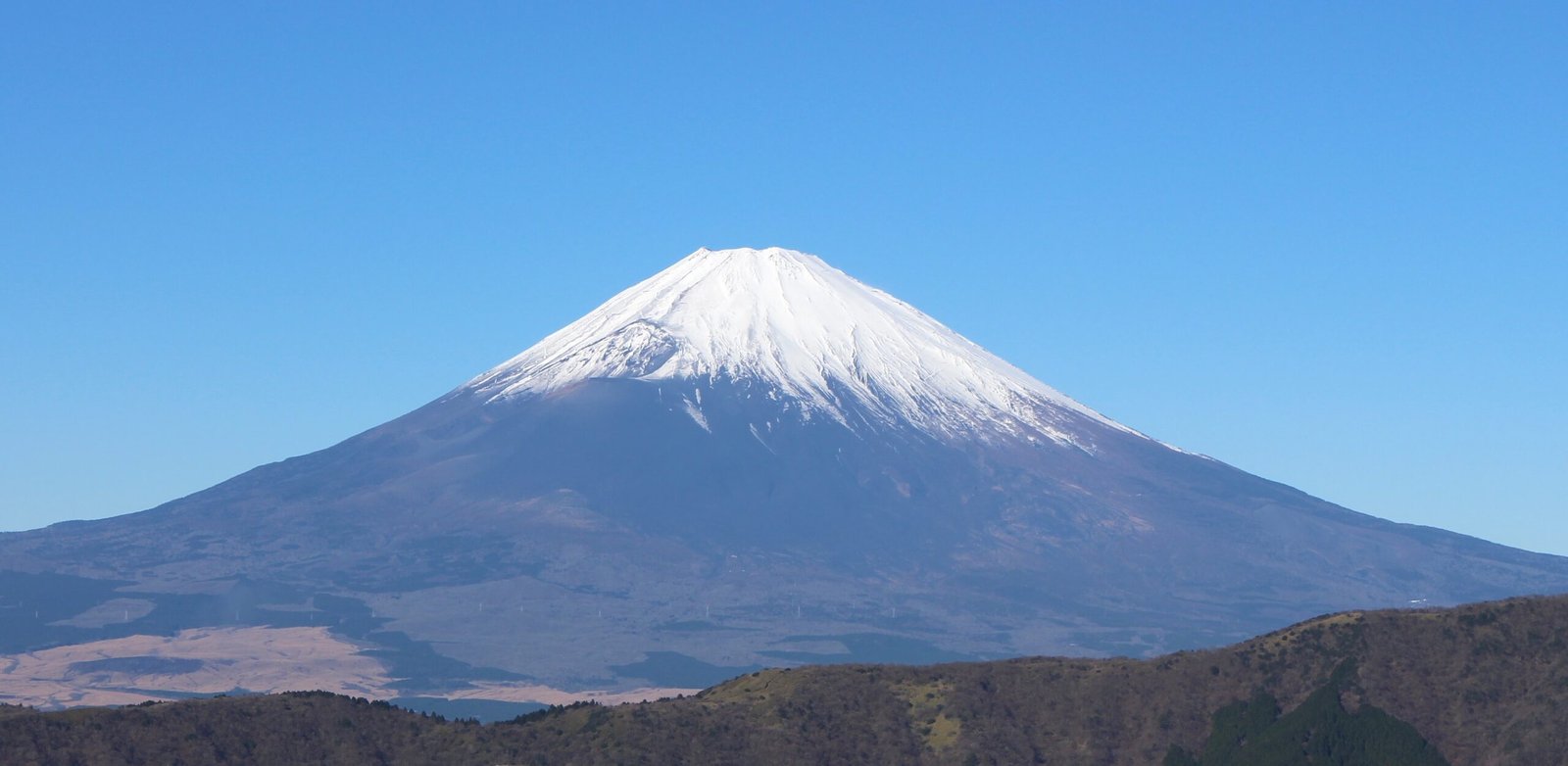
- Iconic Fuji Views: Hakone offers some of the most famous and breathtaking perspectives of Mount Fuji, especially from Lake Ashi and the Hakone Ropeway.
- Easy Access from Tokyo: Thanks to Japan’s incredible train system, you can get from the heart of Shinjuku to the mountains of Hakone in as little as 85 minutes.
- The Hakone Free Pass: This all-in-one pass makes navigating the area’s 8 different modes of transport seamless and cost-effective. The journey itself becomes the adventure!
What to Consider (Cons)
- It’s a Long Day: To make the most of it, you’ll need to start early and expect to return to Tokyo late. It’s a packed, fast-paced itinerary.
- Weather-Dependent Views: Mount Fuji is famously shy. On cloudy or hazy days (especially in summer), the iconic peak may be completely hidden.
–Crowds are Real: As a popular destination for both local and international tourists, weekends and national holidays can get extremely busy.
Hakone Day Trip at a Glance: Quick Facts for 2026
For those who want the key details before diving in, here’s the essential information at a glance.
| Factor | Details |
|---|---|
| Distance from Tokyo | Approx. 90 km (56 miles) southwest of central Tokyo |
| Travel Time (One Way) | ~85 mins (Odakyu Romancecar) or ~50 mins (Shinkansen + transfer) |
| Average Day Trip Cost | ¥9,000 – ¥15,000 per person |
| Best Time to Visit | Autumn (Oct-Nov) for fall colors & Winter (Dec-Feb) for clear Mt. Fuji views |
| Essential Pass | The Hakone Free Pass is a must-buy for most visitors. |
How to Get to Hakone From Tokyo for a Day Trip
Getting to Hakone is part of the fun, with several efficient options available. While you can mix and match, one method stands out for its simplicity and value, especially for a day tripper looking to conquer the famous “Hakone Loop.”
The Best Value: Using the Hakone Free Pass
Trust us on this one: for 99% of day-trippers, the Hakone Free Pass is the way to go. It’s not just a ticket; it’s your key to the entire region. For a single price (¥6,100 for a 2-day pass starting from Shinjuku, which is still the best deal even for one day), it covers:
- A round-trip base fare ticket on the Odakyu Line from Shinjuku to Odawara.
- Unlimited travel on 8 modes of transport within Hakone, including the scenic Hakone Tozan Train, the Cable Car, the Ropeway, the Lake Ashi Pirate Ship, and local buses.
- Discounts at various attractions, shops, and onsen in the area.
You can (and should!) pay a small supplementary fee (~¥1,200 each way) to upgrade your train journey to the reserved-seat “Romancecar” for a faster, more comfortable, and direct ride to Hakone-Yumoto.
Transportation Options from Tokyo to Hakone
Here’s a breakdown of your main choices to get your adventure started.
| Method | Route | Duration | Est. Cost (One Way) | JR Pass Usable? | Best For |
|---|---|---|---|---|---|
| Odakyu Romancecar | Shinjuku → Hakone-Yumoto (Direct) | ~85 mins | ~¥2,470 | No | Convenience, comfort, and direct access. The top choice for most. |
| JR Shinkansen + Local | Tokyo → Odawara (Shinkansen) → Hakone-Yumoto | ~50 mins total | ~¥4,000 | Yes, to Odawara | JR Pass holders looking to maximize their pass value. |
| Highway Bus | Shinjuku → Lake Ashi Area | ~2.5+ hours | ~¥2,200 | No | Budget travelers or those wanting direct access to the lake area. |
Top 5 Things to Do on a Hakone Day Trip (The Classic Loop)
The best way to experience Hakone in a day is by following the classic “Hakone Loop,” a circular route using all the different types of transportation covered by your Free Pass. It’s a sightseeing adventure in itself! Here’s the route in its most popular direction.
-
Ride the Hakone Tozan Railway & Cable Car
Your journey begins at Hakone-Yumoto Station. From here, you’ll board the charming Hakone Tozan Railway, Japan’s oldest mountain railway. This little red train winds its way up the steep, forested mountainside, using a series of clever switchbacks where the driver and conductor change ends. At Gora, you’ll switch to the Hakone Tozan Cable Car, a funicular that pulls you even further up the mountain to Sounzan.
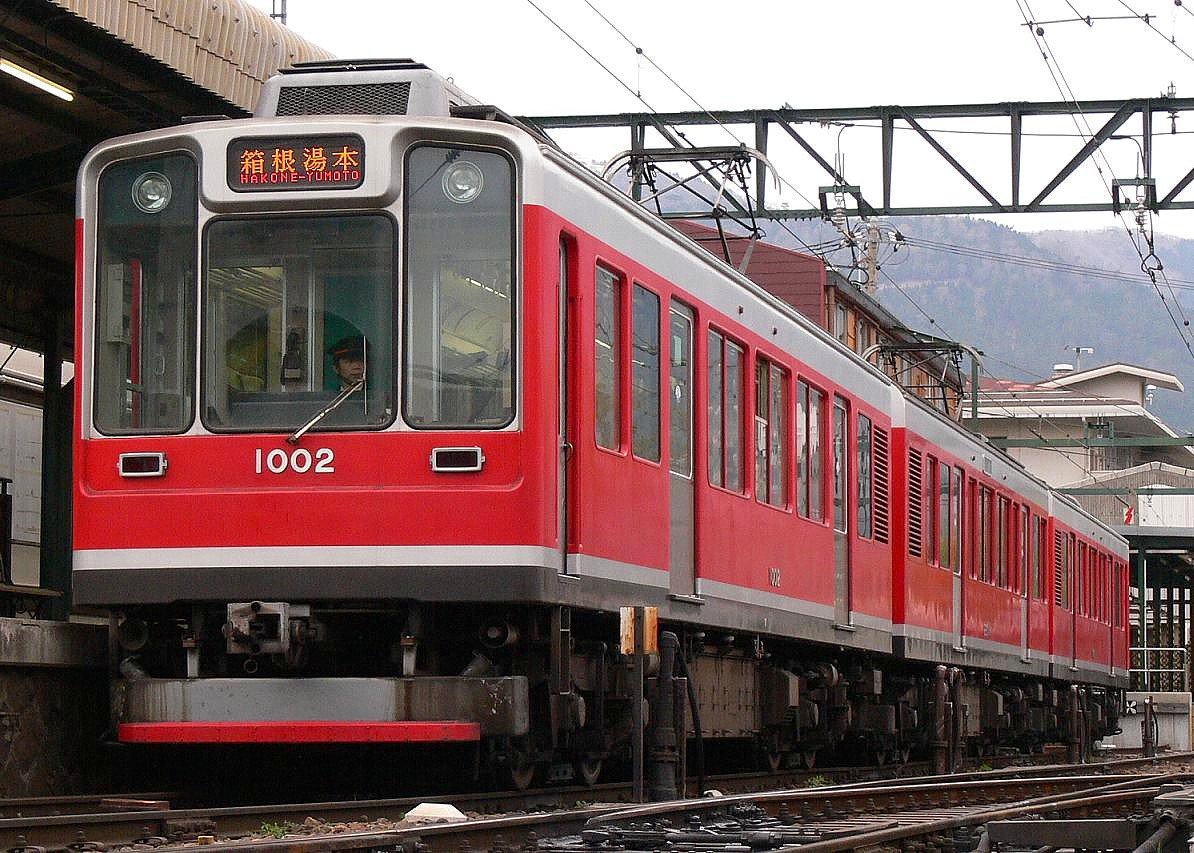
A historic mountain railway that navigates steep inclines using switchbacks. — Photo via Wikimedia Commons -
Soar Over a Volcano on the Hakone Ropeway
This is often the highlight for many visitors. From Sounzan, step into a gondola on the Hakone Ropeway and glide through the sky. Below you lies Ōwakudani, the “Great Boiling Valley.” You’ll see plumes of volcanic gas and sulfur streaming from the earth—a powerful reminder of the active volcano you’re traversing. On a clear day, this is where you get your first jaw-dropping, panoramic view of Mount Fuji. Don’t forget to try the famous kuro-tamago (black eggs), boiled in the natural hot springs and said to add seven years to your life!
Important Note: The ropeway or access to Ōwakudani may be suspended due to volcanic gas concentrations. Always check the official status on the day of your visit.
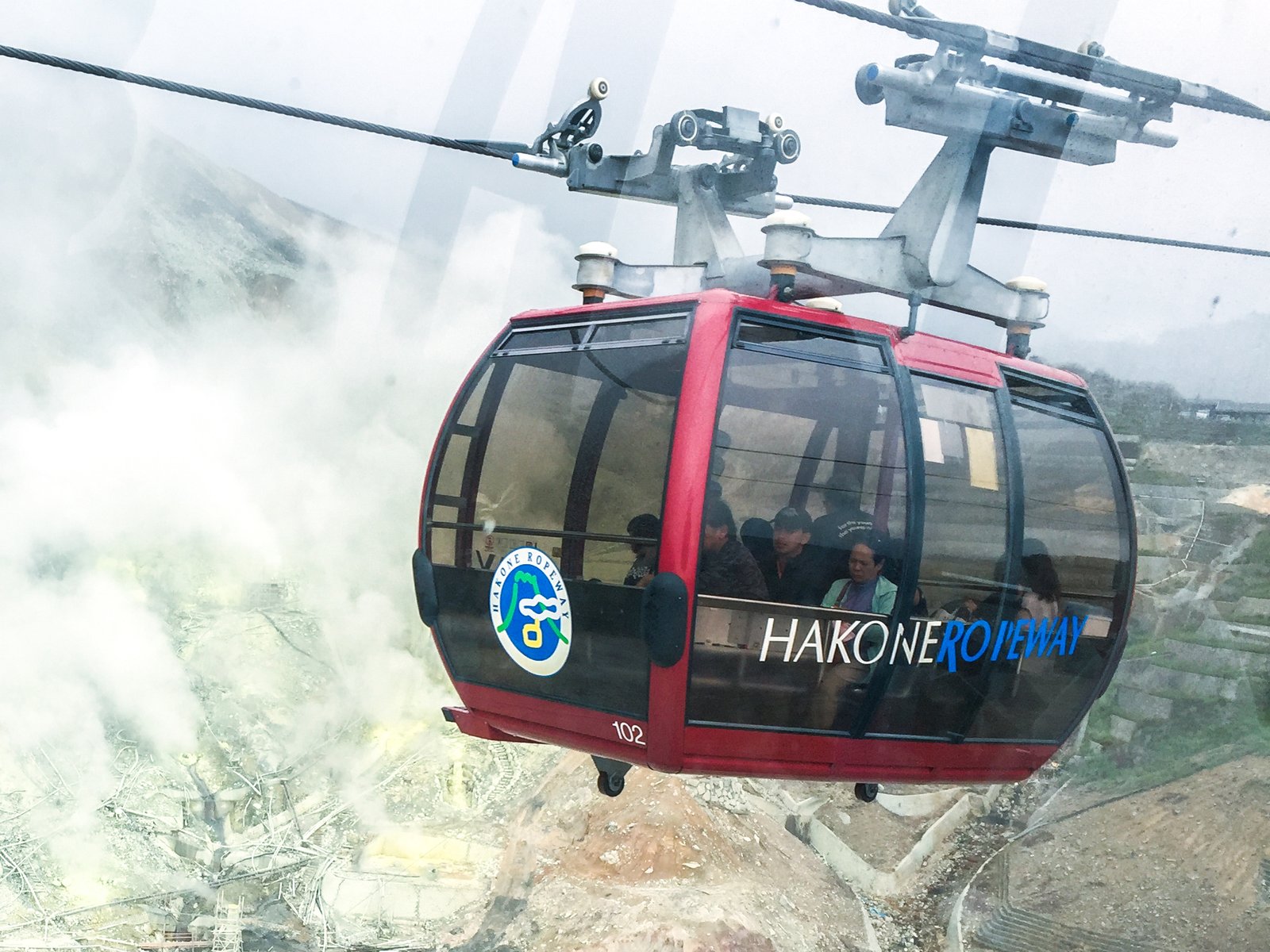
A scenic gondola lift offering breathtaking aerial views of the volcanic valley. — Photo via Wikimedia Commons 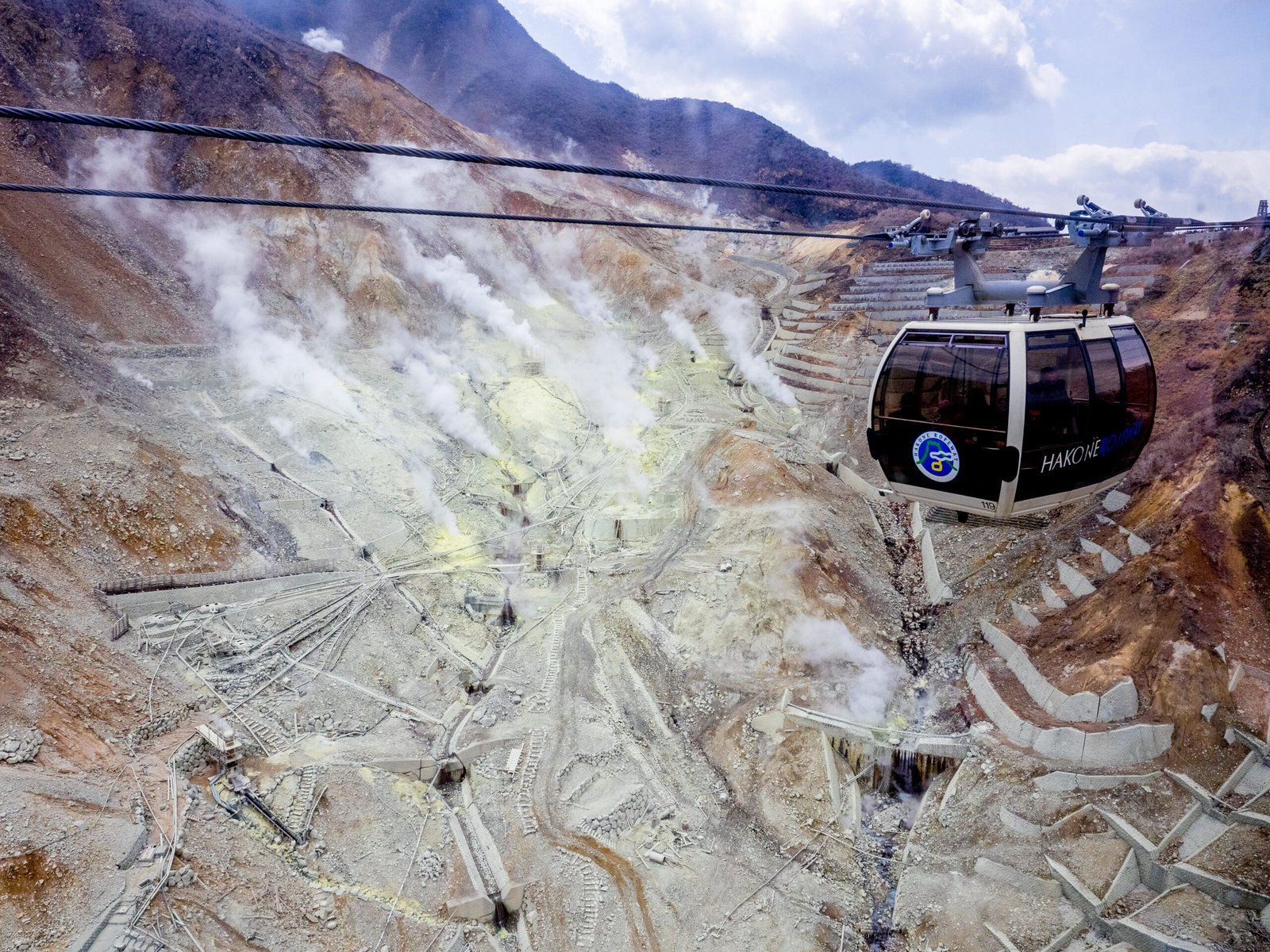
An active volcanic valley with steaming sulphur vents and famous black eggs. — Photo via Wikimedia Commons -
Cruise Lake Ashi on a Pirate Ship
After descending the other side of the mountain on the ropeway, you’ll arrive at Togendai on the shores of Lake Ashi (Ashinoko). Here, you’ll board a surprisingly grand, pirate-themed sightseeing ship for a cruise across the serene crater lake. The 30-minute journey to Moto-Hakone or Hakone-machi offers stunning scenery, with views of the surrounding mountains, the iconic red torii gate of Hakone Shrine, and—if you’re lucky—a majestic Mount Fuji presiding over it all.
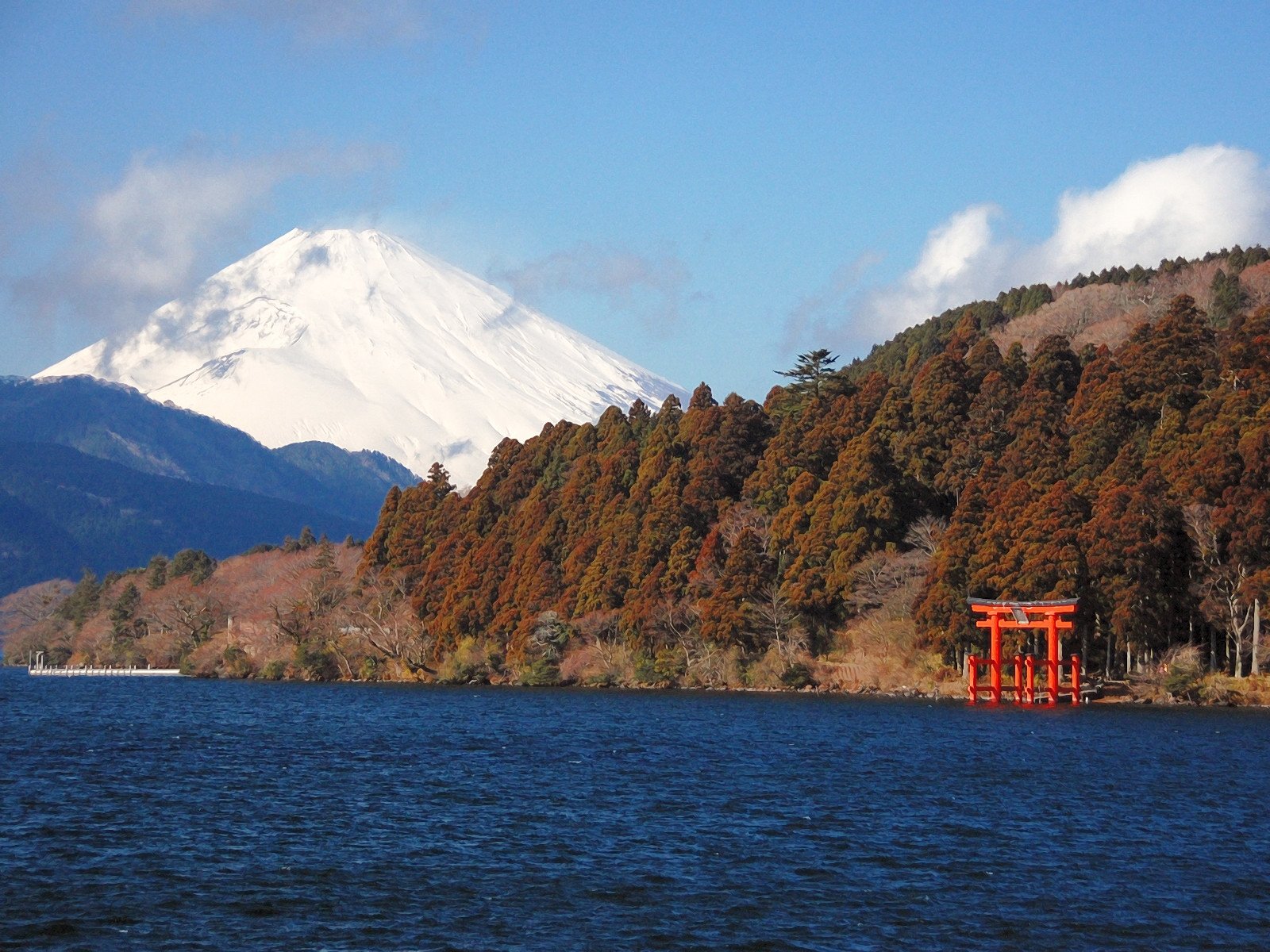
A scenic crater lake famous for its sightseeing cruises and Fuji views. — Photo via Wikimedia Commons -
Photograph the Iconic Hakone Shrine
Once you disembark at Moto-Hakone, take a short walk along the shore to the famous Hakone Shrine. While the main shrine buildings are nestled peacefully in the forest, the main attraction is the “Torii of Peace.” This striking red gate stands majestically in the waters of the lake, creating one of Japan’s most picture-perfect scenes. Be prepared for a queue to get the perfect shot from the small pier.
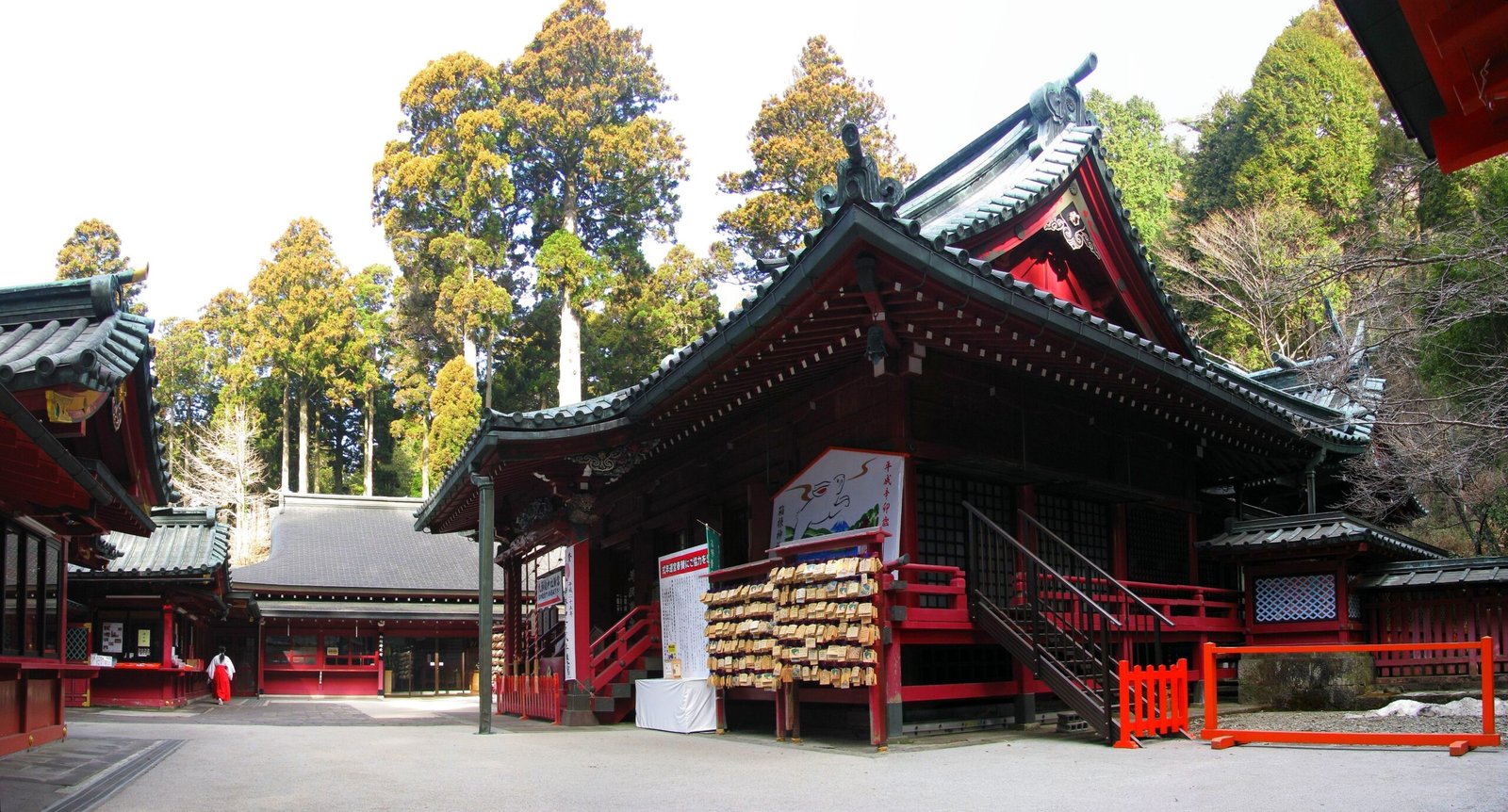
Its iconic red "Torii of Peace" stands in the waters of Lake Ashi. — Photo via Wikimedia Commons -
Relax in a Day-Use Onsen
After a long day of exploring, there’s no better way to finish than by soaking your tired muscles in a traditional Japanese hot spring (onsen). Many establishments in Hakone offer day-use access to their baths for a reasonable fee. Near the end of the loop, Hakone Yuryo (a short shuttle bus ride from Hakone-Yumoto station) is a fantastic, foreigner-friendly option with beautiful outdoor baths. It’s the perfect way to cap off your day before heading back to Tokyo. Remember to read up on basic onsen etiquette before you go!
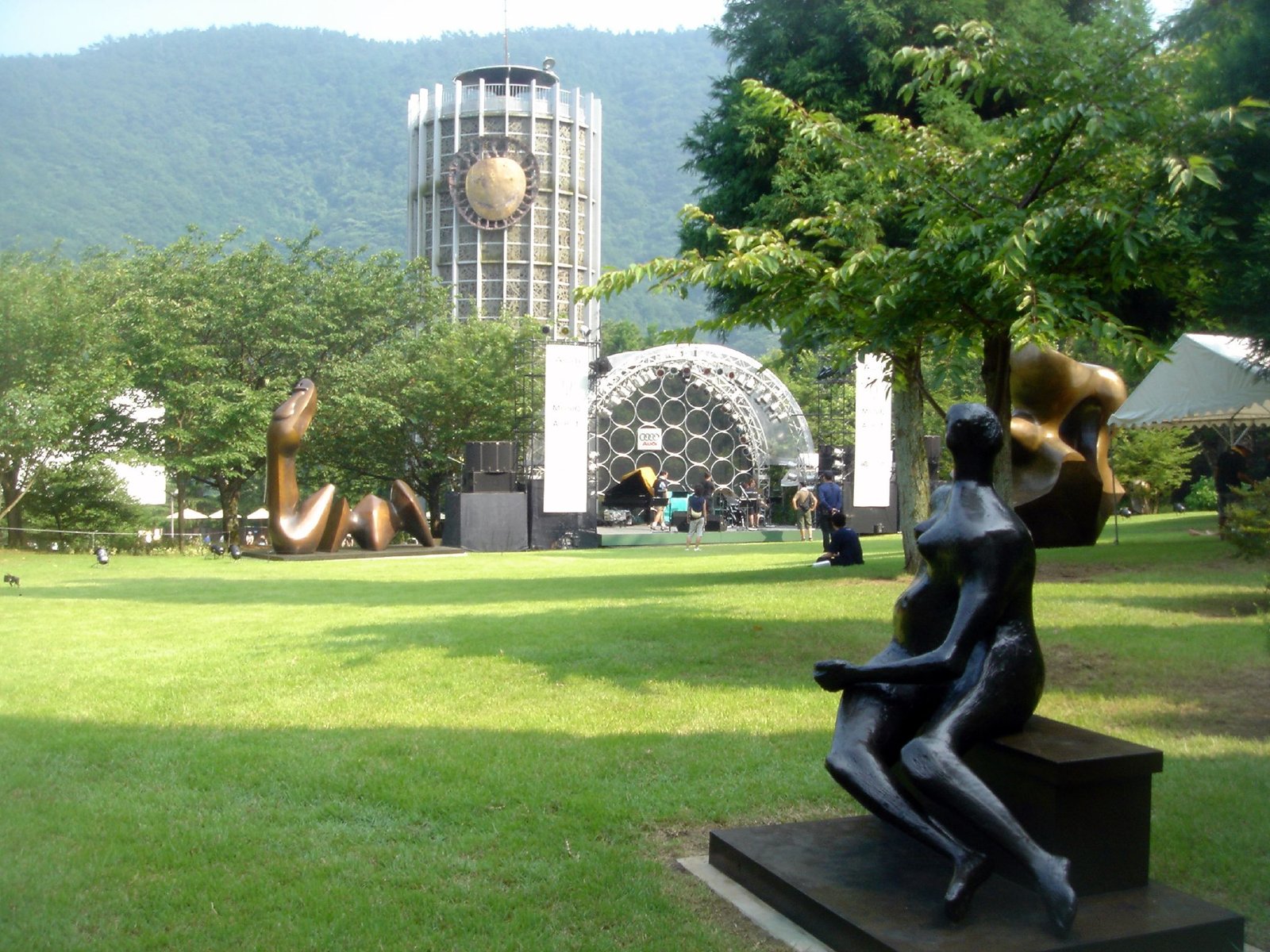
Art Lover’s Alternative: If onsen isn’t your thing, consider a visit to the incredible Hakone Open-Air Museum near Gora station. It features a huge collection of sculptures by artists like Picasso and Henry Moore in a stunning outdoor setting. Note that admission (~¥1,600) is not included in the Free Pass.
Sample One-Day Itinerary from Tokyo to Hakone
Feeling overwhelmed? Don’t be! Here is a step-by-step, achievable itinerary to help you visualize your day trip.
The Classic Hakone Loop Adventure
- 7:30 AM: Depart from Shinjuku Station via the pre-booked Odakyu Romancecar. Grab a coffee and an ekiben (station bento box) for the ride.
- 9:00 AM: Arrive at Hakone-Yumoto Station. Show your Free Pass and board the Hakone Tozan Train towards Gora.
- 10:30 AM: After the train and cable car, board the Hakone Ropeway at Sounzan. Enjoy the views over Ōwakudani and look for Mt. Fuji.
- 12:00 PM: Arrive at Togendai and immediately board the next Pirate Ship across Lake Ashi to Moto-Hakone.
- 12:45 PM: Arrive at Moto-Hakone. It’s time for a well-deserved lunch break at a lakeside cafe.
- 2:00 PM: Take the short walk to Hakone Shrine and get your iconic photo with the “Torii of Peace.”
- 3:30 PM: From the Moto-Hakone bus stop, take the Hakone Tozan Bus (Line H) back towards Hakone-Yumoto Station.
- 4:30 PM (Optional): Hop off the bus and visit a day-use onsen like Hakone Yuryo or Tenzan for a relaxing soak.
- 6:00 PM: Depart from Hakone-Yumoto Station on your pre-booked Romancecar back to Shinjuku.
- 7:30 PM: Arrive back in Tokyo, refreshed and full of memories from your mountain escape.
Where to Eat in Hakone
Hakone has dining options for every taste and budget. Here are a few recommendations:
- Soba Noodles (¥¥): For a classic Hakone meal, head to Hatsuhana Soba near Hakone-Yumoto. They are famous for their soba made with mountain yam and fresh water.
- Lakeside Cafes (¥¥): Bakery & Table in Moto-Hakone offers delicious sandwiches and baked goods with a foot bath on the terrace overlooking Lake Ashi. It’s the perfect lunch spot with a view.
- Must-Try Snack (¥): Don’t leave without trying the Kuro-tamago (black eggs) sold at Ōwakudani. They are a unique and essential part of the Hakone experience.
Planning Your Visit: Insider Tips & What to Pack
Insider Tips for Your Hakone Day Trip
- Start Early! The first train out of Tokyo is your best friend for beating the crowds and fitting everything in.
- Go on a Weekday. If your schedule allows, avoid weekends and public holidays to experience Hakone with fewer people.
- Check the Webcams. Before you leave, check live webcam feeds of Hakone and Mount Fuji to gauge visibility. It can save you from a disappointing, cloudy day.
- Book in Advance. Purchase your Hakone Free Pass and book your Romancecar seats online a few days before your trip to ensure you get the times you want.
- Consider the Reverse Loop. To potentially avoid the biggest crowds, you can do the loop in reverse (Bus to Lake Ashi first, then Ropeway, then Train).
- For Families: The Hakone Open-Air Museum is a fantastic place for kids to run around and explore the giant, interactive sculptures.
What to Pack for Hakone
- Comfortable Walking Shoes: You’ll be doing a lot of walking and transferring between transport.
- Layers of Clothing: The temperature in the mountains is often cooler and changes quickly compared to Tokyo. A light jacket is always a good idea.
- Rain Gear: Hakone’s weather can be unpredictable. Pack a small umbrella or a rain jacket.
- Portable Charger: You’ll be using your phone for photos, maps, and tickets, so a power bank is essential.
- Cash: While major places accept cards, many smaller shops, food stalls, and onsen may be cash-only.
- Your Hakone Free Pass / JR Pass: Don’t leave your hotel without it!
- A Small Towel: Essential if you plan on visiting an onsen, as they often charge a rental fee.
Estimated Budget for a Hakone Day Trip in 2026
Here’s a realistic breakdown of what you can expect to spend per person for a fantastic day out.
| Expense Item | Budget Option | Mid-Range (Recommended) |
|---|---|---|
| Transport | Hakone Free Pass (Regular Odakyu Train) = ¥6,100 | Hakone Free Pass + Romancecar (RT) = ~¥8,540 |
| Lunch | Convenience store snacks / simple soba = ~¥1,500 | Sit-down restaurant/cafe = ~¥2,500 |
| Attractions/Activities | Included in Free Pass = ¥0 | Onsen Entrance Fee = ~¥1,500 |
| Souvenirs/Snacks | Minimal = ~¥1,000 | Black eggs, local sweets = ~¥2,000 |
| TOTAL ESTIMATE | ~¥8,600 | ~¥14,540 |
Hakone Day Trip: The TLDR Version
In a hurry? Here’s the super-quick summary:
- Is it worth it? Yes, 100%. It’s a perfect nature escape from Tokyo.
- How to get there? Take the Odakyu Romancecar from Shinjuku.
- What ticket to buy? Get the Hakone Free Pass. It covers almost everything.
- What to do? Ride the 5 modes of transport on the “Hakone Loop”: mountain train, cable car, ropeway, pirate ship, and bus.
- Must-see sight? The red torii gate of Hakone Shrine in Lake Ashi, with Mt. Fuji in the background on a clear day.
- Best tip? Go on a weekday and start before 8 AM.
Frequently Asked Questions (FAQ)
Is it worth doing a day trip to Hakone from Tokyo?
Yes, it is absolutely worth it for a dose of nature, culture, and iconic Mt. Fuji views. While fast-paced, it’s a highly rewarding and memorable escape from the city that packs an incredible amount of unique experiences into a single day.
How do I get to Hakone from Tokyo for a day trip?
The most recommended way is by using the Odakyu Railway from Shinjuku Station, ideally with the all-inclusive Hakone Free Pass. This provides the best value and simplest way to navigate the area. Alternatively, you can use the JR Shinkansen to Odawara and transfer from there, which is a great option for JR Pass holders.
Is it better to stay in Hakone or do a day trip?
A day trip is perfectly possible and very popular if you’re short on time. However, staying overnight in a traditional ryokan (inn) allows you to explore at a more relaxed pace, enjoy a multi-course kaiseki dinner, and have more opportunities to see Mt. Fuji at different times of day, like sunrise or sunset.
How long is the bullet train ride from Tokyo to Hakone?
The bullet train (Tokaido Shinkansen) from Tokyo Station to Odawara Station, the main gateway to the Hakone region, takes about 35 minutes. From Odawara, you need to transfer to the local Hakone Tozan train for another 15 minutes to reach Hakone-Yumoto, the start of the classic loop.