Kamakura Day Trip at a Glance: Quick Facts for 2026
Ready to trade the towering skyscrapers of Tokyo for ancient temples and a refreshing sea breeze? Kamakura is your perfect escape. Here’s a quick overview to get you started on planning this unforgettable day trip.
| Category | Details |
|---|---|
| Distance from Tokyo | Approx. 60 km (37 miles) south-southwest |
| Travel Time (one way) | ~60 minutes by direct train |
| Estimated Cost (per person) | ¥5,000 – ¥8,000 (incl. transport, food, entry fees) |
| Best Time to Visit | Spring (Apr) for cherry blossoms, Autumn (Nov-Dec) for fall colors, June for hydrangeas. Weekdays are strongly recommended! |
How to Get to Kamakura from Tokyo: Train, Pass, and Cost Guide
Forget about driving—the train is the undisputed champion for getting to Kamakura. It’s fast, efficient, and drops you right in the heart of the action. With several excellent options from major Tokyo hubs, you can be exploring ancient grounds in about an hour. Here’s how to do it.
Option 1: The JR Lines (Best from Tokyo Station or Shinagawa)
This is the most straightforward route for many travelers, especially if you have a Japan Rail Pass. The JR Yokosuka Line offers a direct connection from Tokyo Station and Shinagawa Station straight to Kamakura Station.
- Route: JR Yokosuka Line
- Travel Time: Approximately 60 minutes
- One-Way Fare: ~¥940
- Good for: JR Pass holders and those staying near Tokyo or Shinagawa stations.
Option 2: The JR Shonan-Shinjuku Line (Best from Shinjuku or Shibuya)
If you’re based in the bustling western side of Tokyo, this is your direct line to samurai history. The JR Shonan-Shinjuku Line provides a convenient, no-transfer journey from Shinjuku, Shibuya, and Ikebukuro stations.
- Route: JR Shonan-Shinjuku Line
- Travel Time: Approximately 60 minutes
- One-Way Fare: ~¥940
- Good for: Travelers starting from Shinjuku, Shibuya, or Ikebukuro.
Option 3: The Odakyu Railway & Freepass (Best Value from Shinjuku)
For those planning to explore both Kamakura and the scenic island of Enoshima, this pass is a game-changer. The Enoshima-Kamakura Freepass offered by Odakyu Railway is the best value for a comprehensive day trip.
- Pass Name: Enoshima-Kamakura Freepass
- Cost: ¥1,640 for adults
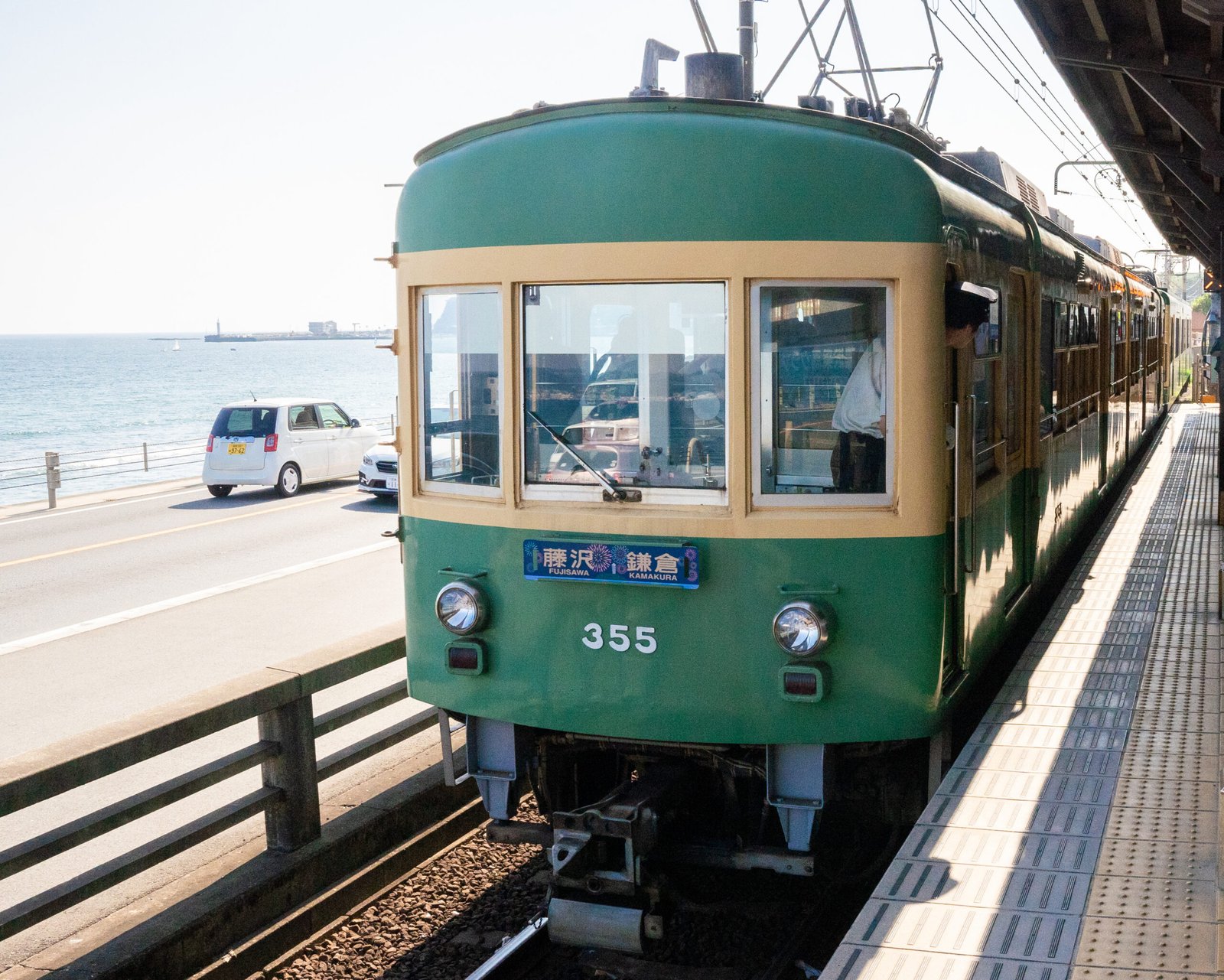
- What’s Included: A round trip from Shinjuku to Fujisawa on the Odakyu Line, plus unlimited rides on the charming Enoden train that connects Kamakura’s main sights and Enoshima.
- Good for: Budget-conscious travelers, anyone starting from Shinjuku, and those who want to see Enoshima too.
Which Kamakura Travel Pass is Best for You?
A quick comparison to help you decide:
| Feature | JR Kamakura-Enoshima Pass | Odakyu Enoshima-Kamakura Freepass |
|---|---|---|
| Departs From | Any JR station in Tokyo area | Shinjuku (Odakyu line) |
| Price | ¥710 (pass only, add JR fare from Tokyo) | ¥1,640 (from Shinjuku) |
| Includes | Enoden train, Shonan Monorail, some JR lines in the area | Round-trip from Shinjuku, unlimited Enoden train rides |
| Best For | JR Pass holders or those not visiting Enoshima and starting from Tokyo Station. | Travelers starting from Shinjuku and wanting to visit Enoshima. The best all-in-one value. |
Top 5 Must-See Attractions in Kamakura
Kamakura is packed with cultural treasures, but with only one day, you need to prioritize. This list covers the absolute essentials, blending iconic sights with unforgettable experiences. Get your camera and your walking shoes ready!
-
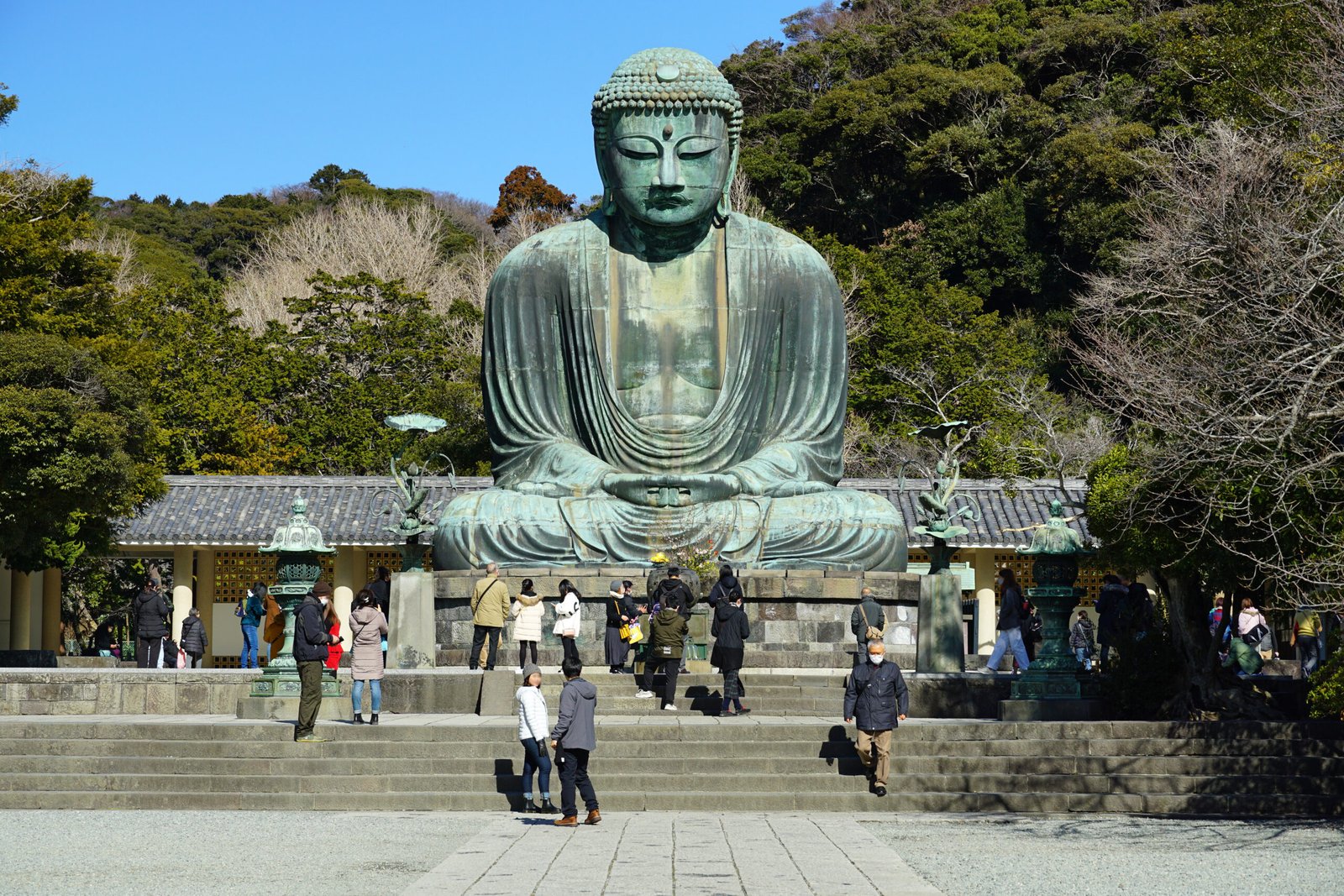
The Great Buddha (Daibutsu) at Kōtoku-in Temple
This is the image of Kamakura. The colossal 13.35-meter bronze statue of Amida Buddha has sat serenely outdoors for centuries, surviving earthquakes and typhoons that destroyed its temple hall. Its scale is truly awe-inspiring. For a small extra fee, you can even venture inside the hollow statue!
Info: Fee: ¥300 (plus ¥20 to go inside) | Hours: 8:00-17:30 | Visit Duration: 30 mins
-
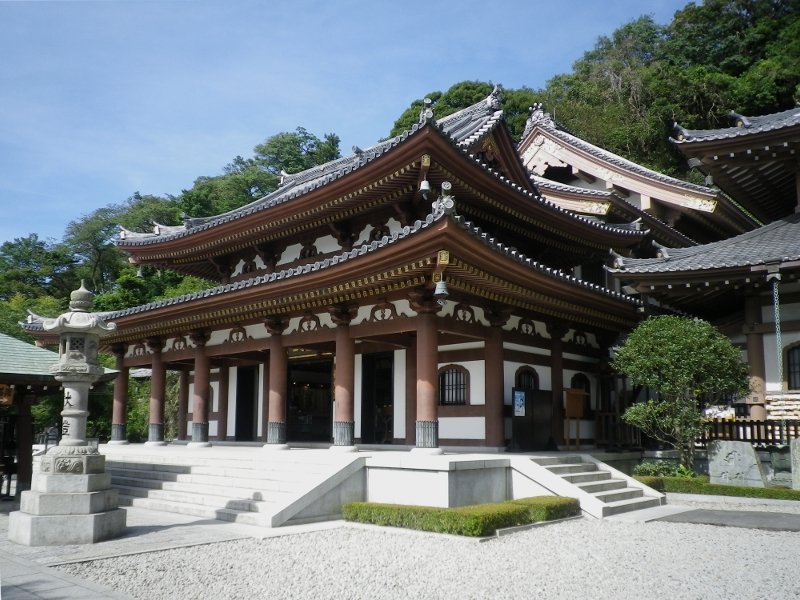
Hasedera Temple
Perched on a hillside with stunning views over Sagami Bay, Hasedera is much more than just a temple—it’s a paradise of gardens, ponds, and sacred halls. It’s home to one of Japan’s largest wooden statues, the 11-headed Kannon, goddess of mercy. In June, the temple grounds erupt in a riot of color with thousands of blooming hydrangeas.
Info: Fee: ¥400 | Hours: 8:00-17:00 | Visit Duration: 45-60 mins
-
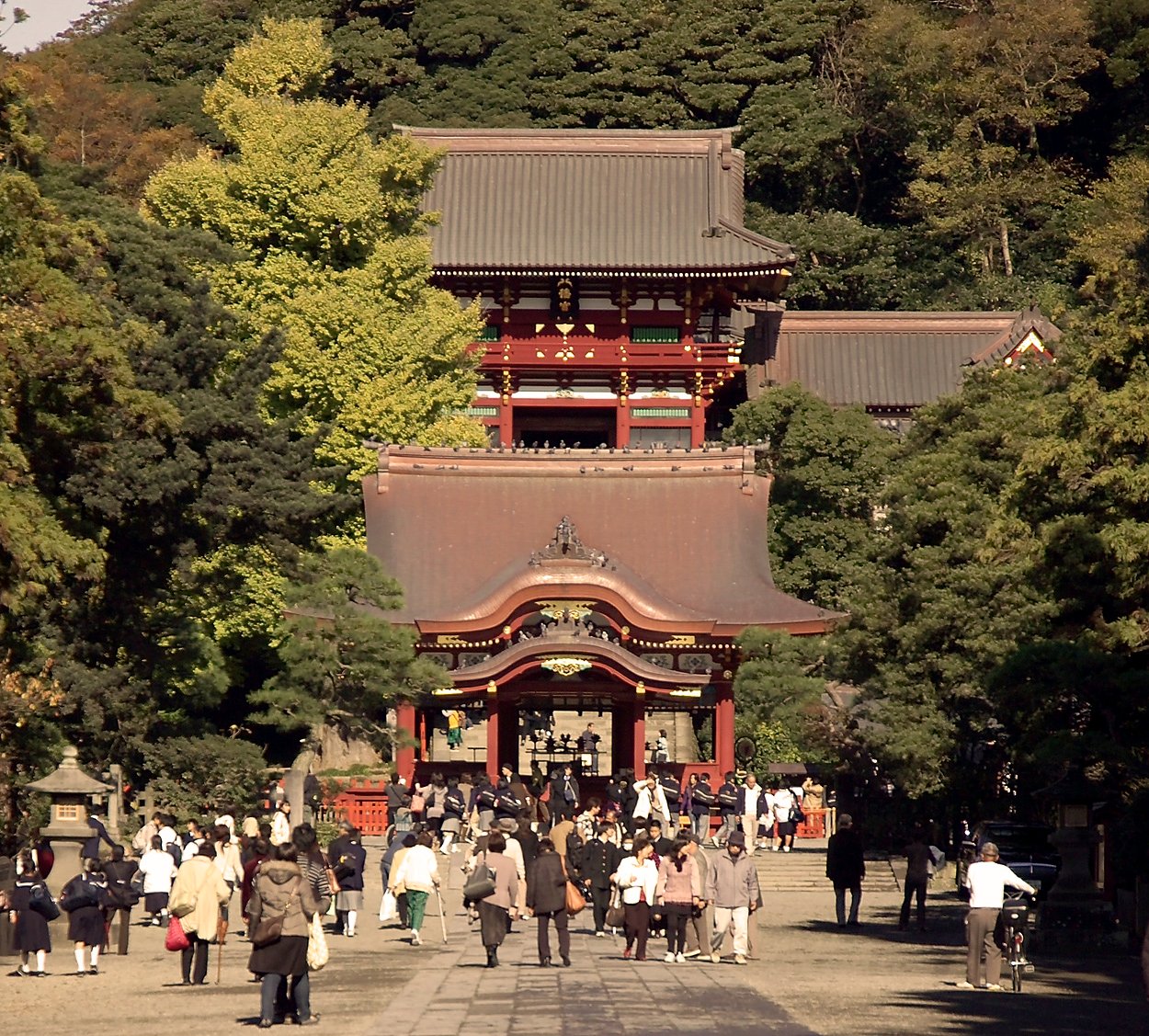
Tsurugaoka Hachimangū Shrine
As the cultural and spiritual heart of Kamakura, this grand shrine is dedicated to the god of the Minamoto samurai clan. A long, beautiful approach called Dankazura leads you past lotus ponds and under a massive torii gate to the main hall, which sits atop a wide stone staircase. The atmosphere here is powerful and historic.
Info: Fee: Free entry to grounds | Hours: 6:00-20:30 | Visit Duration: 45-60 mins
-
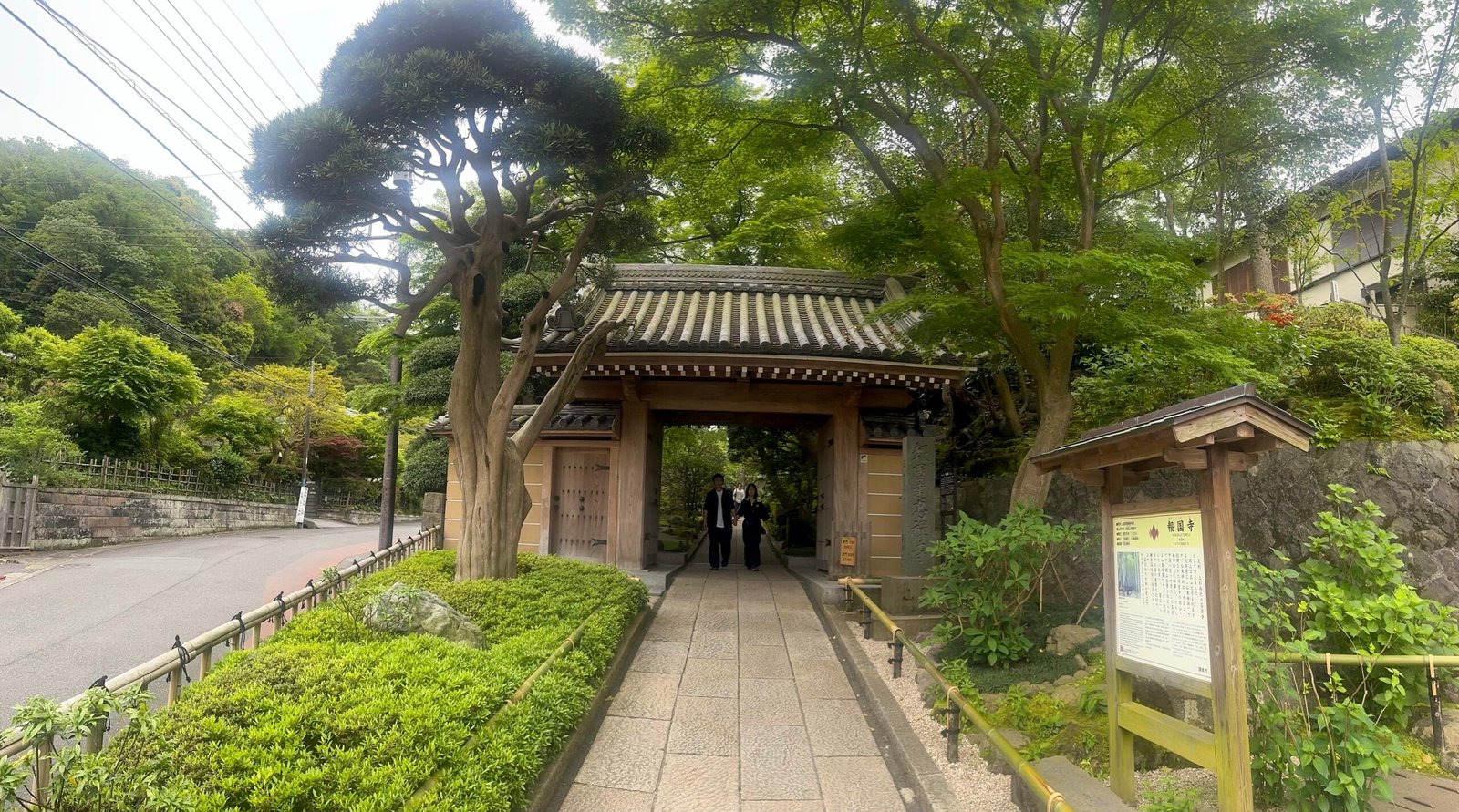
Hōkokuji Temple’s Bamboo Grove
Why fly to Kyoto when Kamakura has its own magical bamboo forest? While smaller than Arashiyama, Hōkokuji’s grove is intimate, serene, and utterly beautiful. Stroll through the towering stalks of bamboo and then, for a perfect moment of zen, sit at the small teahouse and enjoy a bowl of freshly whisked matcha tea while you gaze into the green forest.
Info: Fee: ¥400 (matcha is an additional ¥600) | Hours: 9:00-16:00 | Visit Duration: 30-45 mins
-
Komachi-dori Street
The lively, bustling artery of Kamakura! This long shopping street leads from Kamakura Station towards the main shrine and is packed with everything you could want. From delicious street food and quaint cafes to souvenir shops and local craft stores, Komachi-dori is the perfect place to grab lunch, hunt for gifts, and soak up the modern-day energy of the city.
Info: Fee: Free | Hours: Shops typically 10:00-18:00 | Visit Duration: 60+ mins (for lunch/shopping)
Sample Kamakura Day Trip Itinerary
Want a foolproof plan for your day? Follow this step-by-step itinerary to maximize your time, see the highlights, and travel efficiently. It’s designed to be a full, rewarding day from start to finish.
8:00 AM – Depart from Tokyo
Start your day early to beat the crowds. Take the JR Yokosuka Line from Tokyo Station or the JR Shonan-Shinjuku Line from Shinjuku. Grab a coffee and an onigiri for the scenic 60-minute ride.
9:00 AM – Arrive at Kamakura Station
Upon arrival, head straight for the Enoden train platform. This charming local train is an attraction in itself! Use your pass or tap your Suica/Pasmo card.
9:30 AM – The Great Buddha & Hasedera Temple
Take the Enoden train a few stops to Hase Station. From there, it’s a short walk to Kōtoku-in Temple to see the Great Buddha. After you’ve taken your photos, walk over to the magnificent Hasedera Temple. Don’t miss the viewing platform for incredible coastal views.
12:30 PM – Lunch & Shopping on Komachi-dori
Ride the Enoden back to Kamakura Station. You’ll be hungry, and Komachi-dori Street is waiting. Explore the vibrant street, sample some snacks, and find a restaurant for a delicious lunch. This is the best place to try the local specialty, Shirasu-don.
2:30 PM – Tsurugaoka Hachimangū Shrine
After lunch, walk from the end of Komachi-dori directly to Tsurugaoka Hachimangū Shrine. Take your time exploring the grounds, climbing the steps to the main hall, and enjoying the serene atmosphere.
4:00 PM – Optional Add-on: Enoshima Island or Hōkokuji
If you still have energy, choose your own adventure!
- For Zen Seekers: Take a short bus ride from Kamakura Station to Hōkokuji Temple for a peaceful walk through its famous bamboo grove.
- For Coastal Lovers: Hop back on the Enoden train and ride it to Enoshima Station. Explore the charming island, see the shrines, and watch a spectacular sunset over the ocean. This is a must for anyone doing a kamakura and enoshima day trip.
6:00 PM – Depart for Tokyo
Head back to Kamakura Station and catch your direct JR train back to Tokyo, filled with memories of a fantastic day exploring Japan’s ancient capital.
Where to Eat in Kamakura: Whitebait & Street Food
Kamakura is a delight for foodies, famous for its fresh seafood from Sagami Bay and an incredible array of street food snacks. Come with an empty stomach!
Must-Try Local Specialty: Shirasu-don
You can’t leave Kamakura without trying Shirasu-don. Shirasu are tiny, young whitebait, and they are served in a bowl over rice. You can have them boiled (kamaage shirasu) or, if you’re feeling adventurous and they’re in season, raw (nama shirasu). Look for restaurants near the coast or on Komachi-dori. A great lunch will cost around ¥1,500 – ¥2,500.
Street Food & Sweets on Komachi-dori
Komachi-dori is a paradise for quick, delicious bites. Keep an eye out for these local favorites:
- Purple Sweet Potato Soft-Serve: A vibrant and delicious local specialty.
- Giant Rice Crackers (Senbei): Freshly grilled and seasoned with soy sauce.
- Dango: Skewers of sweet, chewy rice dumplings, often lightly grilled.
- Delicious Crepes: Both sweet and savory options are available from various stalls.
- Fish Cakes (Kamaboko): Served on a stick, often with different fillings.
Insider Tips for a Perfect Day Trip
A little planning goes a long way. Use these pro tips to make your Kamakura adventure smooth, enjoyable, and memorable.
- Wear Comfortable Shoes: This is non-negotiable! You will be walking a lot on varied terrain, including gravel paths and stairs.
- Carry Cash: While larger shops accept cards, many temple entrance fees, small food vendors, and local shops are cash-only.
- Start Early: Most temples close early (between 4:30 PM and 5:00 PM). An early start lets you see more without rushing and helps you beat the worst of the crowds.
- Buy a Day Pass: If you plan to use the Enoden train multiple times, a pass like the Odakyu Freepass or a local Enoden day pass will save you money and hassle.
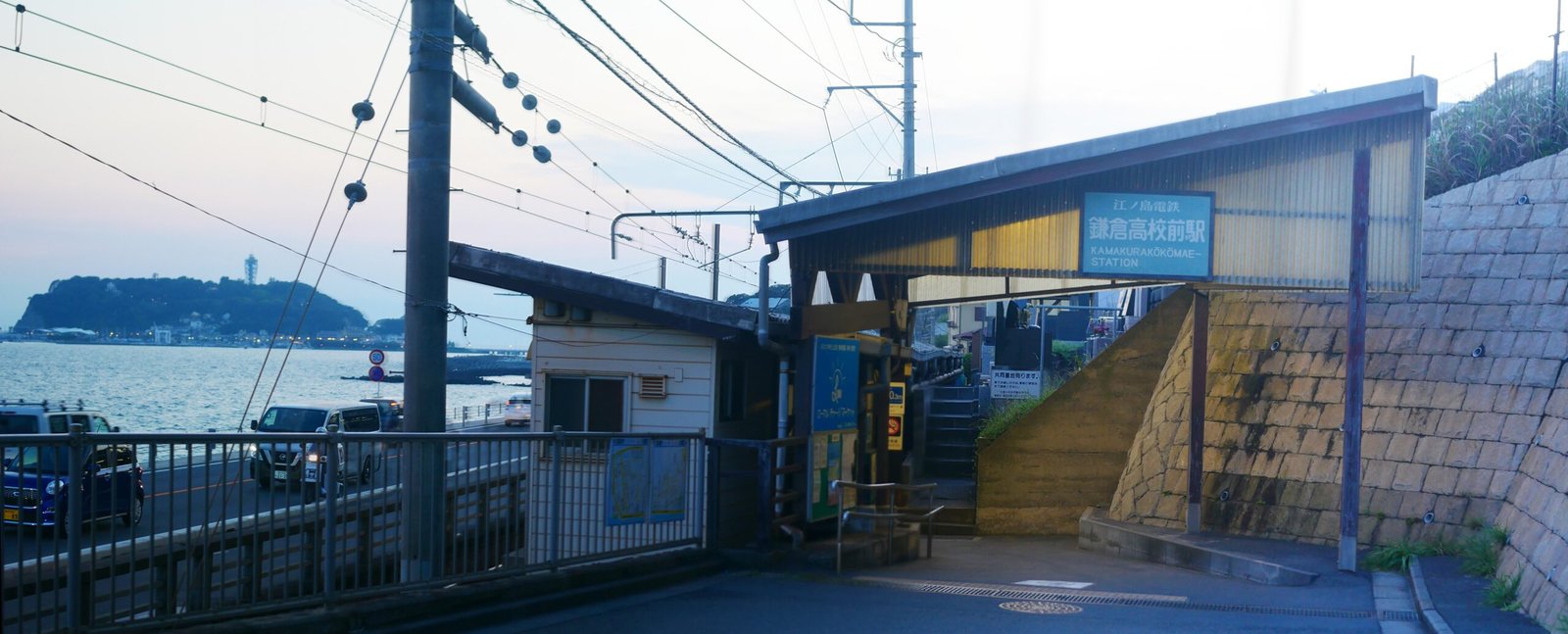
- Don’t Skip the Enoden Train: The ride itself, especially the coastal section between Hase and Kamakurakōkōmae, is a highlight of the trip.
- Visit on a Weekday: Kamakura is extremely popular with domestic tourists. Visiting on a weekday will give you a much more relaxed and enjoyable experience.
What to Pack for Kamakura
Pack light, but pack smart. Here’s a quick checklist of essentials for your day trip.
- [ ] Comfortable Walking Shoes: The most important item!
- [ ] Cash (Japanese Yen): For tickets, snacks, and souvenirs.
- [ ] Portable Power Bank: For keeping your phone charged for photos and navigation.
- [ ] Camera and/or Smartphone: You’ll want to capture the beauty.
- [ ] Sun Protection: Sunscreen, a hat, and sunglasses, especially in spring and summer.
- [ ] A Small Backpack: To carry your essentials comfortably.
- [ ] Suica/Pasmo Card or Train Pass: For seamless travel.
Kamakura Day Trip Budget Breakdown (Per Person)
Wondering how much to budget? Here’s a realistic breakdown of expected costs for a typical day trip from Tokyo.
| Item | Estimated Cost (JPY) | Notes |
|---|---|---|
| Round-Trip Train | ¥1,900 | (Using JR lines) or ¥1,640 (Odakyu Pass) |
| Admission Fees | ¥1,000 – ¥1,500 | (For 3-4 main sites like the Great Buddha & Hasedera) |
| Lunch | ¥1,500 – ¥2,500 | (For a proper meal like Shirasu-don) |
| Local Transport | ¥500 | (If not using a pass for the Enoden train/bus) |
| Snacks/Drinks | ¥500 – ¥1,000 | (For street food and vending machine drinks) |
| TOTAL | ¥5,400 – ¥7,400 | Approx. $35 – $50 USD |
Frequently Asked Questions (FAQ)
Is Kamakura worth a day trip from Tokyo?
Absolutely! It offers a perfect escape from the urban energy of Tokyo. With its rich samurai history, serene temples, beautiful coastline, and delicious food, it’s one of the most popular and rewarding day trips from Tokyo for a reason. The contrast is refreshing and unforgettable.
How long is the Kamakura day trip from Tokyo?
You should plan for a full day, typically 8 to 10 hours in total. This accounts for about 2 hours of round-trip travel time from Tokyo and leaves you a solid 6 to 8 hours for exploring the sights at a comfortable pace.
How to day trip Kamakura from Tokyo?
The best and easiest way is by train. From Tokyo, take a direct JR line (Yokosuka or Shonan-Shinjuku) which takes about an hour. Once you arrive at Kamakura Station, use the charming local Enoden train, local buses, or your own two feet to navigate between the city’s famous attractions.
What is the best way to get from Tokyo to Kamakura?
For speed and simplicity, the direct JR train lines are the best. The JR Yokosuka Line from Tokyo Station or the JR Shonan-Shinjuku Line from Shinjuku are excellent choices. However, if you are starting from Shinjuku and also want to visit Enoshima Island, the Odakyu Enoshima-Kamakura Freepass offers unbeatable value.
TL;DR: Your Perfect Kamakura Day Trip
In a hurry? Here’s the short version:
- Getting There: Take the ~60 min JR Yokosuka Line (from Tokyo St.) or Shonan-Shinjuku Line (from Shinjuku). Cost is ~¥940 each way. Or, get the Odakyu Freepass from Shinjuku for ¥1,640 if you’re also visiting Enoshima.
- Must-Sees: The Great Buddha (Kōtoku-in), Hasedera Temple (for views), and Tsurugaoka Hachimangū Shrine.
- Must-Eats: Try Shirasu-don (whitebait on rice) for lunch and grab snacks on Komachi-dori street.
- Top Tip: Go on a weekday to avoid massive crowds, wear your most comfortable shoes, and start your day early!
Kamakura offers a unique window into Japan’s past, a place where the legacy of the shogun lives on amidst tranquil bamboo groves and the soothing sounds of the nearby ocean. It’s a journey back in time that’s just an hour away from Tokyo. Enjoy your trip!