Nikko Day Trip: Quick Facts At-a-Glance
Short on time? Here’s everything you need to know about a day trip to Nikko from Tokyo in 2026, summarized for easy planning.
| Metric | Details |
|---|---|
| Distance from Tokyo | Approx. 125 km (78 miles) |
| Travel Time | ~2 hours each way by train |
| Total Day Duration | 10-12 hours (a full, rewarding day!) |
| Estimated Cost | ¥9,000 – ¥18,000 per person |
| Best Time to Go | Autumn (Oct-Nov) for foliage, Spring/Summer for comfort |
Is a Day Trip to Nikko from Tokyo Worth It?
This is the big question, and the answer is a resounding yes, but with a few caveats. Nikko is a place of profound beauty and historical significance, encapsulated by the Japanese saying, “Don’t say ‘magnificent’ until you’ve seen Nikko.” A day trip offers a fantastic escape from Tokyo’s urban energy into a world of serene mountain temples and shogun history. It’s a long, active day, but completely manageable and unforgettable.
- Yes, it’s worth it if: You are on a tight schedule but don’t want to miss a UNESCO World Heritage site. If you love history, intricate architecture, and stunning nature, and you’re prepared for about four hours of travel time and a lot of walking, you will love it.
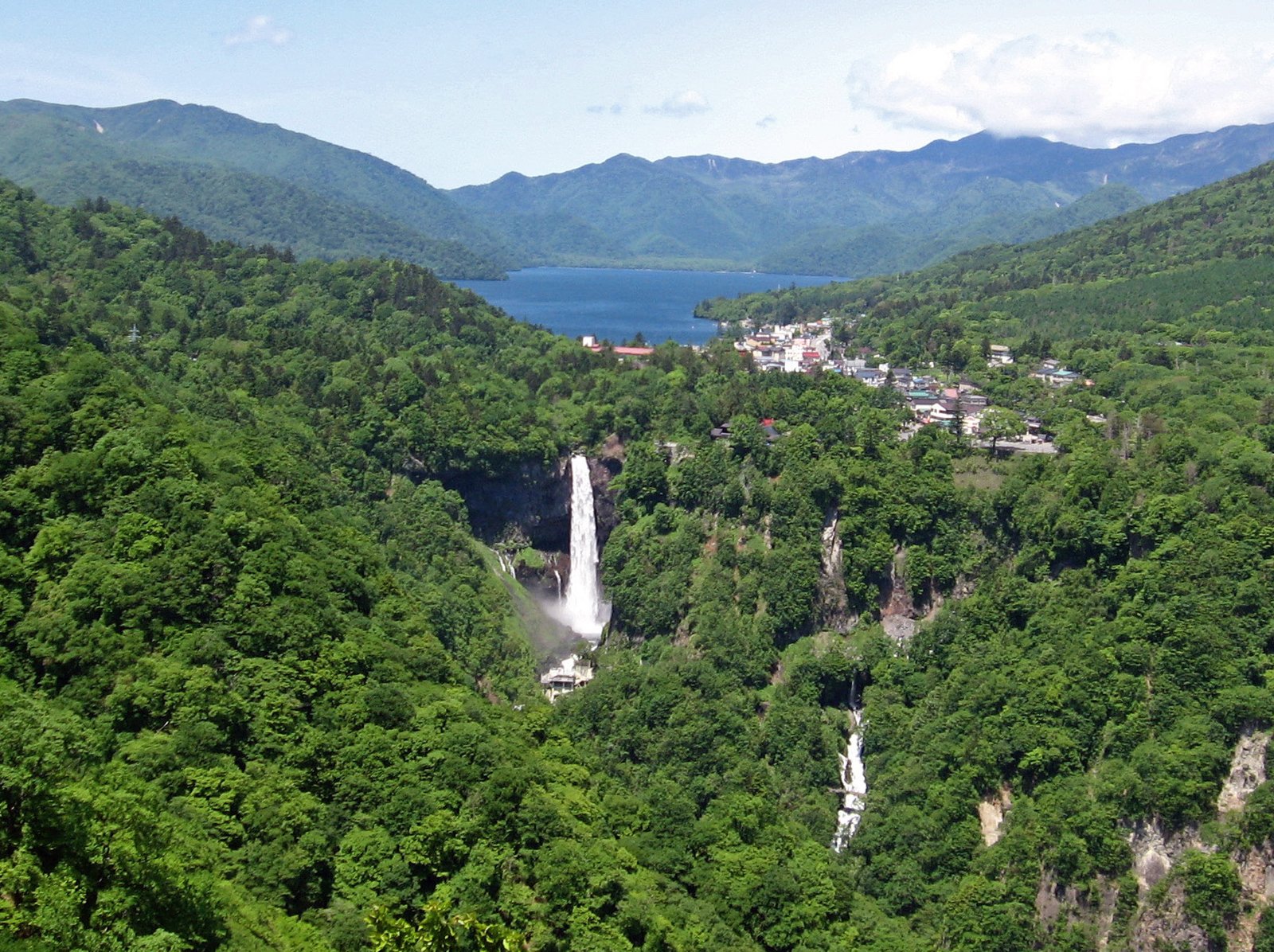
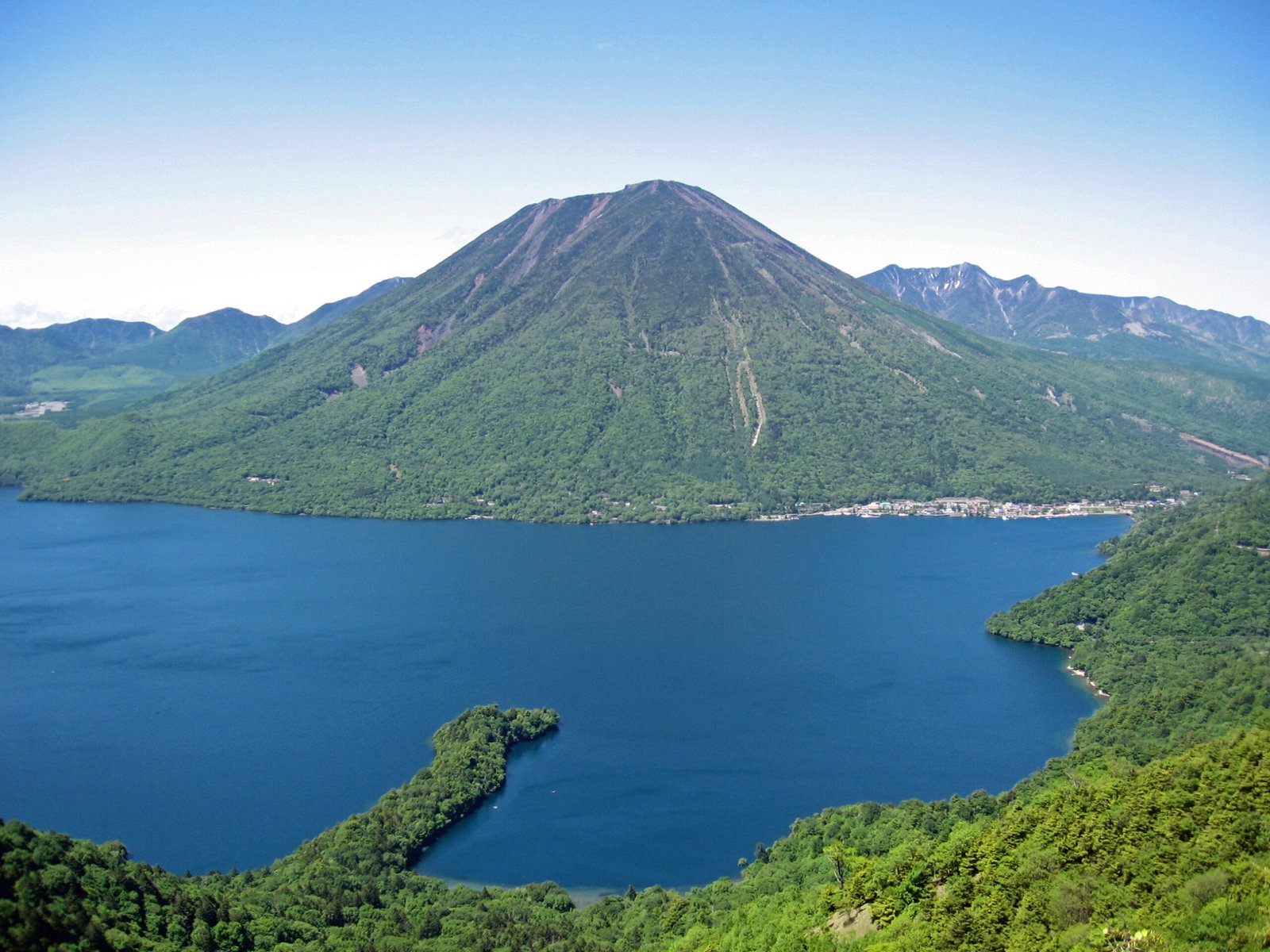
- Consider staying overnight if: You prefer a more relaxed pace. An overnight trip allows you to explore beyond the main shrine complex to see stunning natural wonders like Lake Chuzenji and Kegon Falls without feeling rushed, especially during the peak autumn foliage season.
How to Get to Nikko from Tokyo: All Your Options
For most day-trippers, the train is the undisputed champion for getting to Nikko. It strikes the perfect balance of speed, cost, and convenience. Driving is possible but not recommended for a day trip due to potential traffic and expensive tolls. Here’s a quick comparison of your best bets.
| Method | Travel Time (One Way) | Cost (Round Trip) | Best For |
|---|---|---|---|
| Tobu Railway | ~1 hr 50 mins | ~¥5,600+ | Budget travelers, direct access |
| JR Lines (inc. Shinkansen) | ~1 hr 45 mins | ~¥11,000+ | Japan Rail Pass holders, speed |
| Organized Tour | Full Day (10-12 hrs) | ¥15,000 – ¥25,000+ | Convenience, guided experience |
| Driving | ~2.5-3 hours | ~¥12,000+ (tolls/gas) | Flexibility (not ideal for a day trip) |
By Train (The Recommended Method)
Taking the train is the quintessential Japanese travel experience and by far the most efficient way to reach Nikko.
Option 1: Tobu Railway from Asakusa (Best Value)
This is the most popular and cost-effective choice for tourists without a Japan Rail Pass. Direct Limited Express trains like the “Revaty” and “Spacia” depart from Tobu Asakusa Station, offering a comfortable and scenic journey in just under two hours.
Pro-Tip: Seriously consider the Tobu Nikko Pass. The “World Heritage Area Pass” is tailor-made for this day trip itinerary, covering your round-trip train fare and unlimited rides on the local buses that loop around the main sights. Buy it online in advance to save time!
Option 2: JR Lines from Tokyo/Shinjuku Station (Fastest / For JR Pass Holders)
If you have an active Japan Rail Pass, this route is essentially free! The fastest journey involves taking the Tohoku Shinkansen (bullet train) from Tokyo Station to Utsunomiya (about 50 mins), then transferring to the charming, local JR Nikko Line for the final 45-minute leg. There are also direct limited express trains from Shinjuku which take about 2 hours and are a good alternative.
By Organized Tour
If you want a completely hassle-free experience without worrying about train schedules or navigation, an organized tour is an excellent option. These tours often include a guide, transportation, and entrance fees, making for a seamless private day trip from Tokyo to Nikko. You can find great options on platforms like Viator or Klook.
Top 5 Must-See Attractions on a Nikko Day Trip
Nikko is a sprawling complex of beauty, but with limited time, you need to be strategic. Here are the five absolute can’t-miss sights that form the heart of the UNESCO World Heritage area.
-
Toshogu Shrine (東照宮)
This is it—the main event. The final resting place of Tokugawa Ieyasu, the founder of the shogunate that ruled Japan for over 250 years. Prepare to be overwhelmed by the lavish gold leaf, impossibly intricate carvings, and vibrant colors.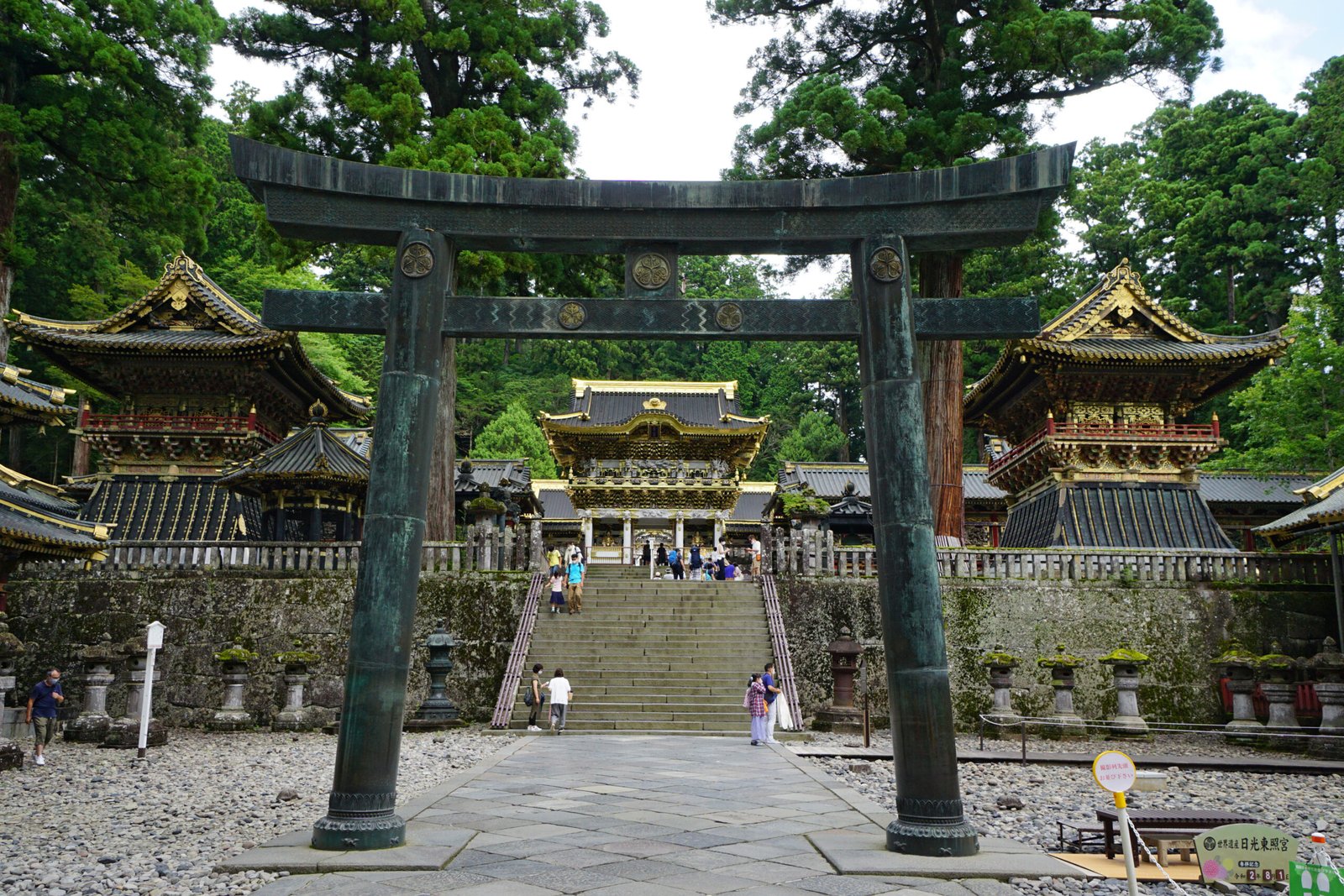
The lavish UNESCO mausoleum of shogun Tokugawa Ieyasu, famed for carvings. — Photo via Wikimedia Commons - Don’t Miss: The famous “Three Wise Monkeys” carving (“see no evil, hear no evil, speak no evil”) and the serene “Sleeping Cat” woodcarving.
- Entrance Fee: ¥1,300 for the main areas.
- Pro-Tip: Allocate the most time here (at least 2 hours). It’s vast and detailed.
-
Shinkyo Bridge (神橋)
The iconic, vermilion-lacquered bridge that marks the entrance to Nikko’s sacred grounds. It’s one of Japan’s three finest bridges, and its elegant arch over the rushing river with a mountain backdrop is the definitive photo-op of Nikko.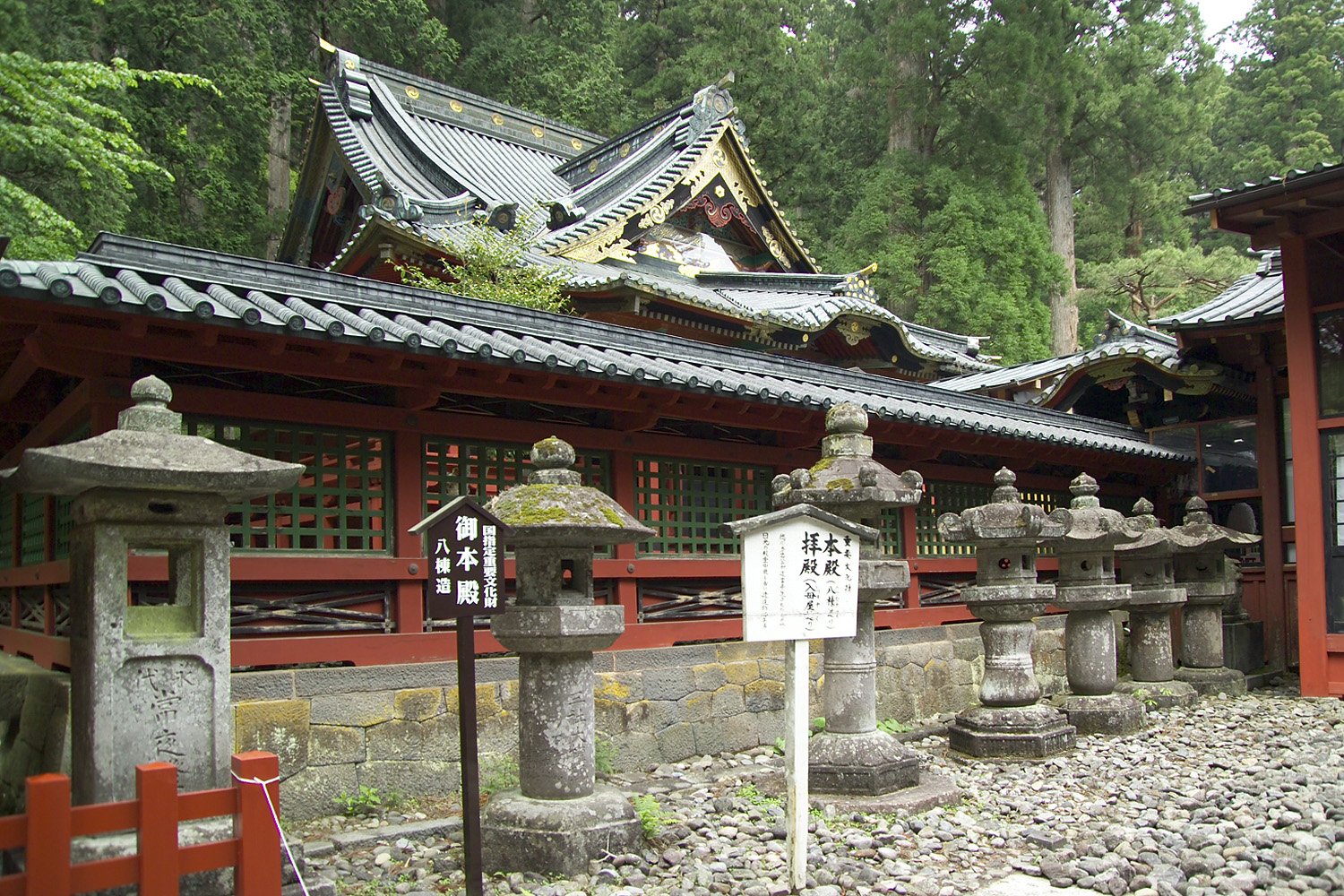
The iconic, sacred vermilion bridge at the entrance to Nikko’s shrines. — Photo via Wikimedia Commons - Entrance Fee: ¥300 to walk across it, but photos from the adjacent road bridge are free and just as stunning.
- Pro-Tip: Visit first thing in the morning to get photos with fewer people.
-
Futarasan Shrine (二荒山神社)
Founded in 782, this shrine is much older and more subdued than its flashy neighbor, Toshogu. It’s dedicated to the deities of Nikko’s three most sacred mountains and offers a peaceful, serene atmosphere that feels more connected to its Shinto roots in nature.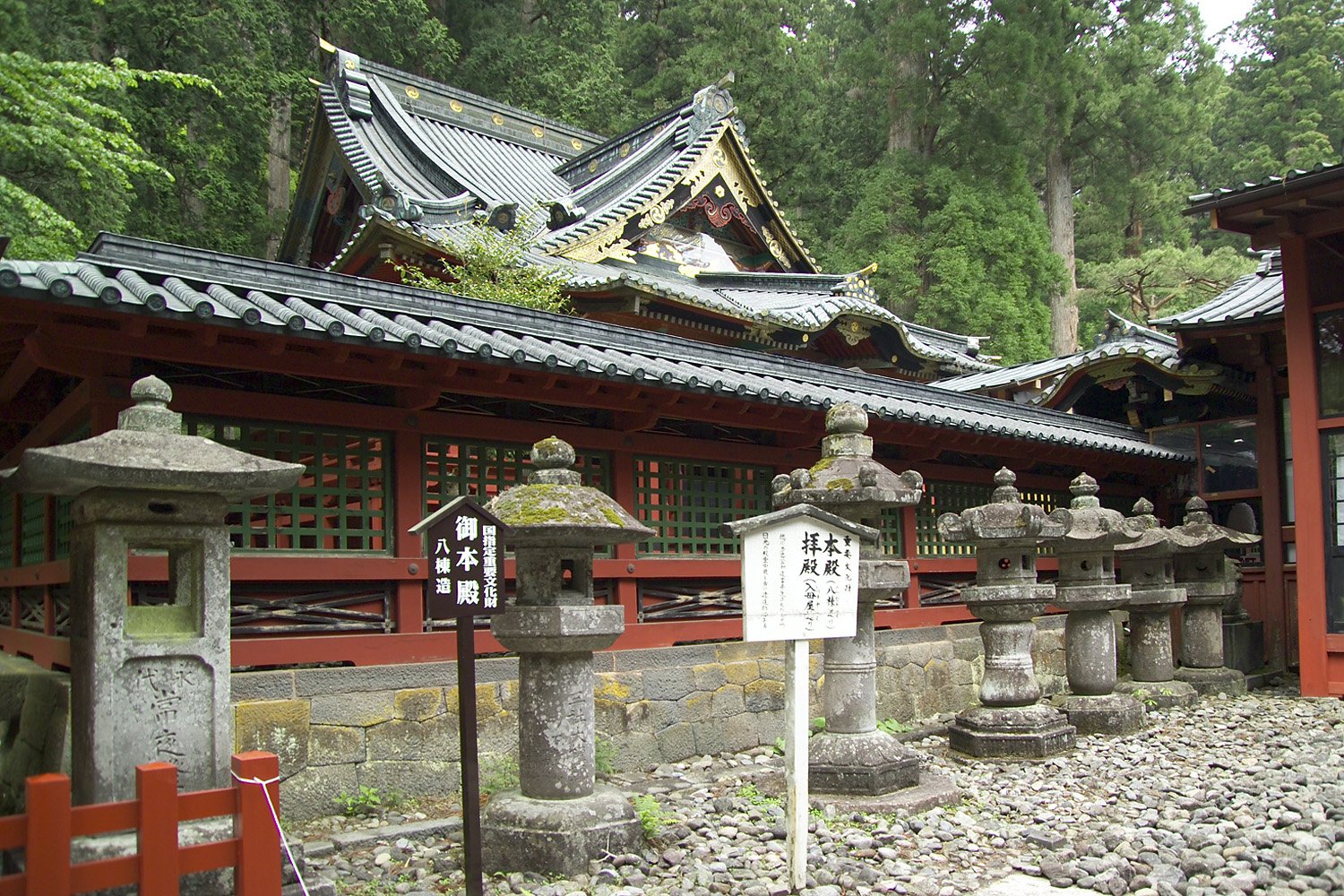
An ancient Shinto shrine dedicated to the deities of Nikko’s sacred mountains. — Photo via Wikimedia Commons - Entrance Fee: Free to enter the grounds, ¥300 for the inner paid garden area.
- Pro-Tip: It’s a great palate cleanser after the sensory overload of Toshogu.
-
Taiyuinbyo (大猷院)
The mausoleum of Iemitsu, the third Tokugawa shogun and grandson of Ieyasu. It was intentionally built to be slightly less opulent than Toshogu out of respect for his grandfather, but it is no less breathtaking, with a stunning layout and a more imposing, solemn atmosphere.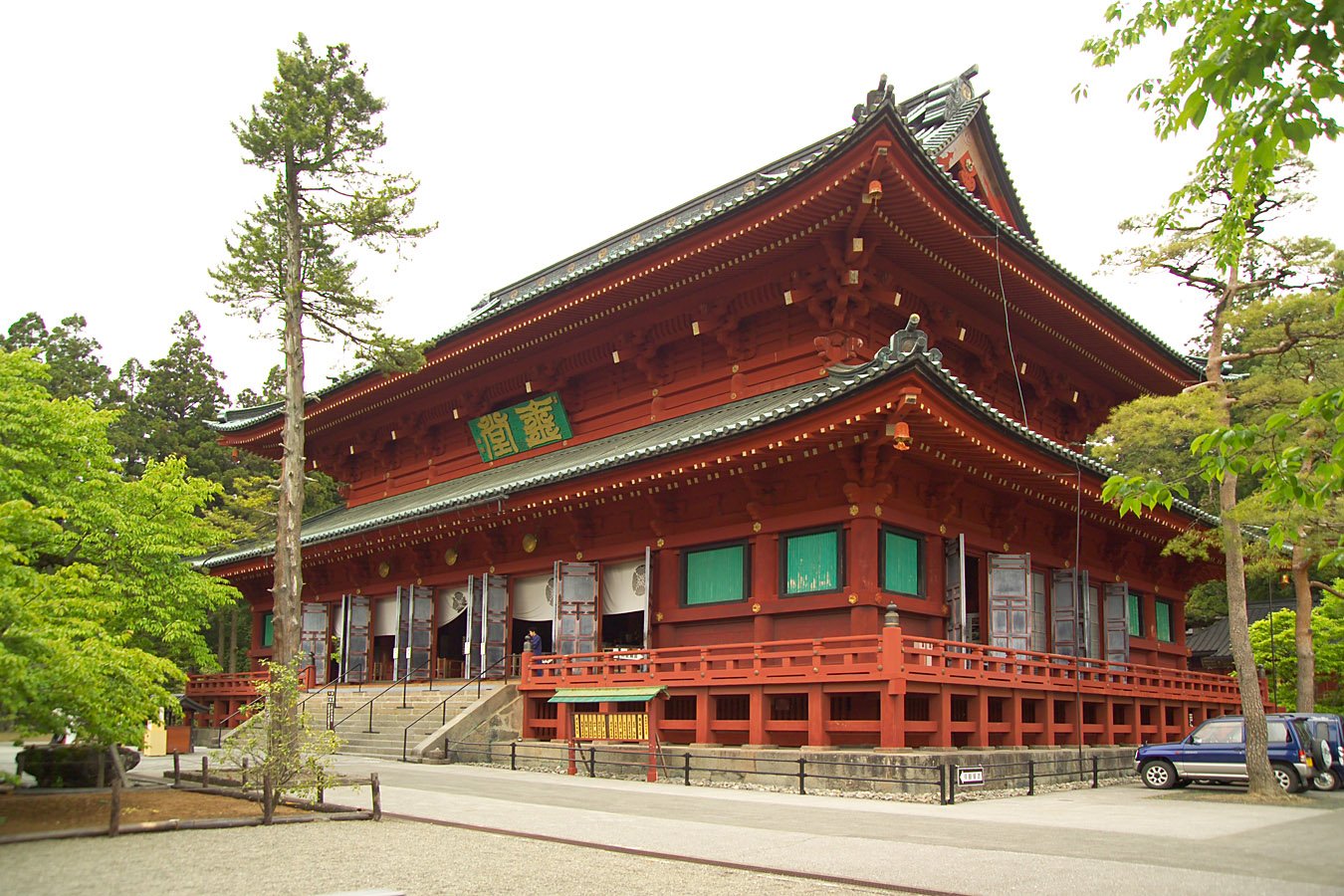
The ornate and imposing mausoleum of the third Tokugawa shogun, Iemitsu. — Photo via Wikimedia Commons - Entrance Fee: Part of a combination ticket with Rinnoji Temple for ~¥900.
- Pro-Tip: Many visitors skip this, so it’s often less crowded than Toshogu Shrine.
-
Kanmangafuchi Abyss
If you have a little extra time and energy, take a 15-minute walk from the main complex to this beautiful river gorge. It’s lined with a row of about 70 stone Jizo statues, all wearing red caps and bibs. The tranquil sound of the river and the mysterious statues create a truly magical atmosphere.
A Perfect One-Day Tokyo to Nikko Itinerary
Ready to go? Here is a step-by-step plan to maximize your day, based on the highly recommended Tobu Railway route from Asakusa. The key is to start early!
Morning (7:30 AM – 12:00 PM): Travel and The Sacred Bridge
- 7:30 AM: Be at Tobu Asakusa Station, ready to board a Limited Express “Revaty” or “Spacia” train. Grab a coffee and an onigiri for the journey.
- 9:30 AM: Arrive at Tobu-Nikko Station. Head outside to the bus stop and hop on the “World Heritage Meguri Bus” (covered by the Nikko Pass).
- 10:00 AM: Get off at the “Shinkyo Bridge” stop. This is your first photo opportunity. Take in the view before the crowds build.
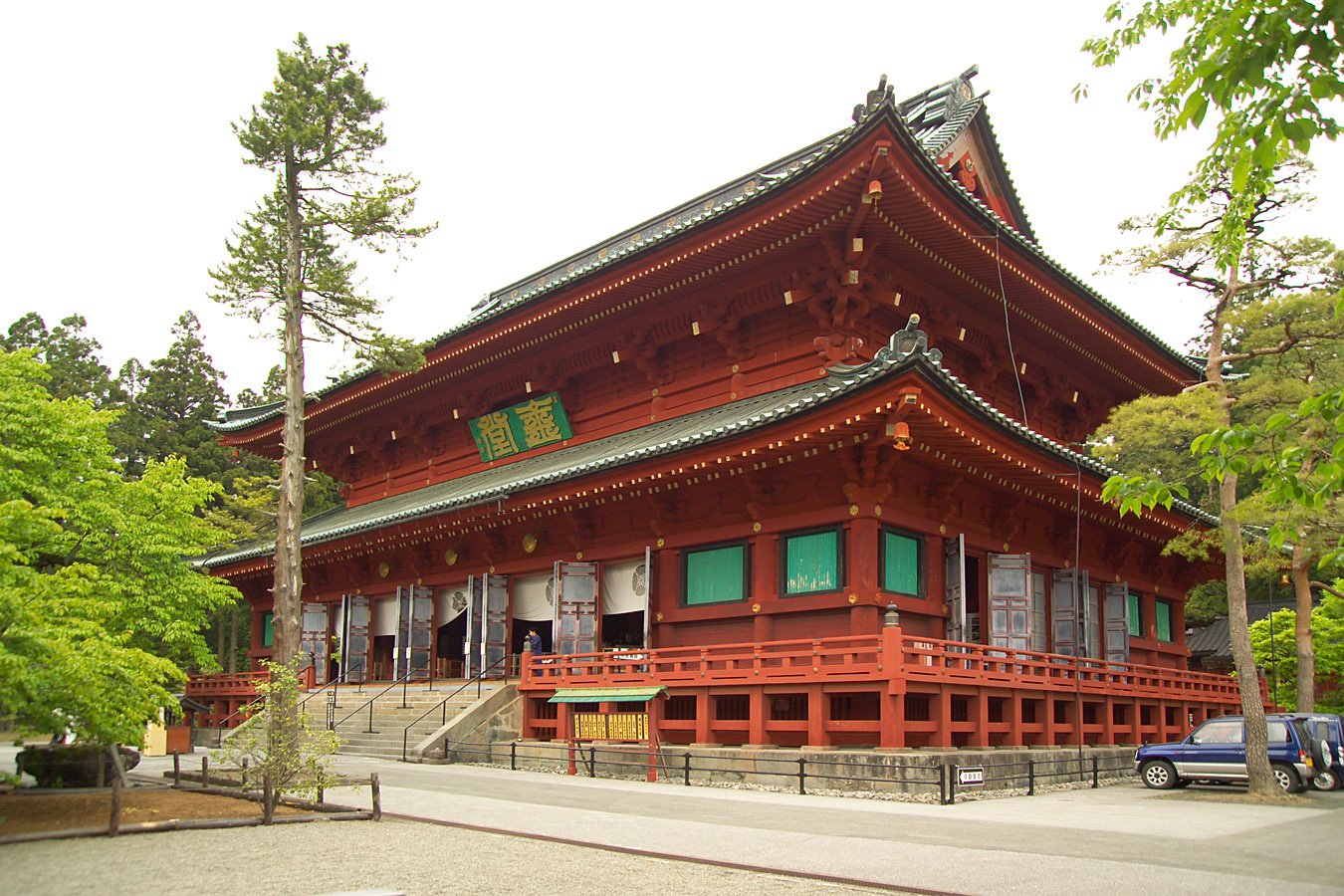
- 10:30 AM: Walk up the main path and begin your exploration at Rinnoji Temple, home to three massive, gold-leafed Buddha statues.
Afternoon (12:00 PM – 5:00 PM): Shrines and Lunch
- 12:00 PM: Brace yourself for the main attraction: Toshogu Shrine. Give yourself a solid two hours to wander through its many buildings, climb the stone steps, and marvel at the details.
- 2:30 PM: You’ll be hungry by now. Head back down the main road for a late lunch. This is the perfect time to try Nikko’s local specialty, yuba (tofu skin).
- 3:30 PM: With renewed energy, visit the nearby Futarasan Shrine and Taiyuinbyo Mausoleum. They are less crowded in the later afternoon.
- 4:30 PM: Begin the leisurely walk back towards the train station. This is a great time to browse the small souvenir shops along the main street.
Evening (5:00 PM onwards): The Return to Tokyo
- 5:20 PM: Aim to catch a return Limited Express train from Tobu-Nikko Station.
- 7:15 PM: Arrive back in Asakusa, Tokyo, tired but filled with memories of one of Japan’s most incredible cultural sites.
Where to Eat in Nikko: A Taste of Yuba
You can’t visit Nikko without trying yuba, a local delicacy made from the skin that forms on top of heated soy milk. It’s a healthy, delicious, and uniquely vegetarian-friendly part of Japanese cuisine, served in various forms—fresh, fried, or simmered in broth.
Budget-Friendly ($)
For a quick and cheap bite, check out street food vendors like Hippari Dako for tasty yakitori or Nikko Guruman’s Wagyu for a single, delicious wagyu skewer. Perfect for refueling on the go.
Mid-Range ($$)
Look for a restaurant serving a “Yuba Gozen” or lunch set. Hippuru no Ki is a lovely cafe that offers excellent dishes featuring yuba, while Komekichi Kozushi provides a more traditional setting for a satisfying Japanese meal.
Splurge ($$$)
For a truly memorable culinary experience, a high-end restaurant like Takaiya offers exquisite multi-course kaiseki meals that beautifully incorporate local, seasonal ingredients, including premium yuba.
7 Insider Tips for Your Nikko Day Trip
Make your trip smoother and more enjoyable with these essential tips.
- Start Early! The first train out of Tokyo is your best friend. Arriving before 10 AM helps you beat the worst of the tour bus crowds.
- Buy the Nikko Pass Online. Purchase your Tobu Nikko Pass in advance to save precious time at the station.
- Wear Comfortable Shoes. This is non-negotiable. You will walk several miles and climb hundreds of steep stone stairs. Your feet will thank you.
- Bring Cash. While major restaurants and shops accept cards, many smaller food stalls, souvenir shops, and temple/shrine ticket windows are cash-only.
- Check the Bus Schedule. The World Heritage buses are convenient but can be infrequent, especially later in the day. Knowing the return times can save you a long wait.
- Go on a Weekday. If your schedule allows, visit Nikko from Monday to Thursday. Weekends and national holidays (especially Golden Week) can be overwhelmingly crowded.
- Pack Layers. Nikko’s mountain location means it’s often significantly cooler than Tokyo. A light jacket or sweater is a good idea, even in summer.
Planning Your Visit: Practical Details
Opening Hours
Most shrines and temples open around 8:00 AM or 9:00 AM and close around 5:00 PM (4:00 PM in winter, from November to March). Last admission is typically 30 minutes before closing time, so don’t leave your visits to the last minute!
Accessibility
Be aware that the main UNESCO shrine complex is not very accessible. The area is historic and built on a mountainside, featuring many steep stone staircases, uneven paths, and gravel walkways. It is very challenging for wheelchair users and those with significant mobility issues.
Shrine & Temple Etiquette
- Be quiet and respectful within the sacred grounds.
- Perform the temizuya purification ritual at the water basin before entering: rinse your left hand, then your right, then your mouth (spit the water out beside the basin), and finally tip the dipper to rinse the handle.
- Photography is often prohibited inside temple buildings. Look for signs and be respectful of the rules.
Nikko Day Trip Budget Breakdown
Here’s a sample budget to help you plan your expenses. Costs are per person and can vary based on your choices.
| Expense | Budget Option | Mid-Range Option |
|---|---|---|
| Transportation | ~¥5,000 (Nikko Pass) | ~¥11,000 (JR/Shinkansen) |
| Attraction Fees | ~¥2,000 | ~¥3,000 (inc. extras) |
| Food & Drink | ~¥2,000 | ~¥4,000 |
| Total Per Person | ~¥9,000 | ~¥18,000 |
Frequently Asked Questions (FAQ)
Can you do Nikko as a day trip from Tokyo?
Absolutely! It’s a long (10-12 hours) but very rewarding day. This guide shows you exactly how to plan the perfect one-day itinerary to see the highlights without feeling overwhelmed.
Is a daytrip to Nikko worth it?
Yes, for most travelers. If you love Japanese history, incredible craftsmanship, and nature, it’s one of the best and most memorable day trips from Tokyo. We break down the pros and cons in our “Is It Worth It?” section.
What is the best way to go from Tokyo to Nikko?
The train is the best way. For budget-conscious travelers, the Tobu Railway from Asakusa is the ideal choice, especially with the Nikko Pass. For JR Pass holders, using the Shinkansen to Utsunomiya and transferring is the fastest option.
Is there a bullet train to Nikko from Tokyo?
There is no direct bullet train (Shinkansen) to Nikko. To use the Shinkansen, you must take the Tohoku Shinkansen from Tokyo Station to Utsunomiya Station and then transfer to the local JR Nikko Line for the final 45-minute journey.
TL;DR: Your Perfect Nikko Day Trip
Pressed for time? Here’s the ultra-quick guide. Take an early (around 7:30 AM) Tobu Limited Express train from Asakusa using the Nikko World Heritage Area Pass. Upon arrival, see the Shinkyo Bridge, then spend the bulk of your time at the magnificent Toshogu Shrine. Grab a local yuba lunch, then visit the quieter Futarasan Shrine and Taiyuinbyo Mausoleum. Catch a return train around 5 PM. Wear comfortable shoes, bring cash, and prepare for a spectacular day!