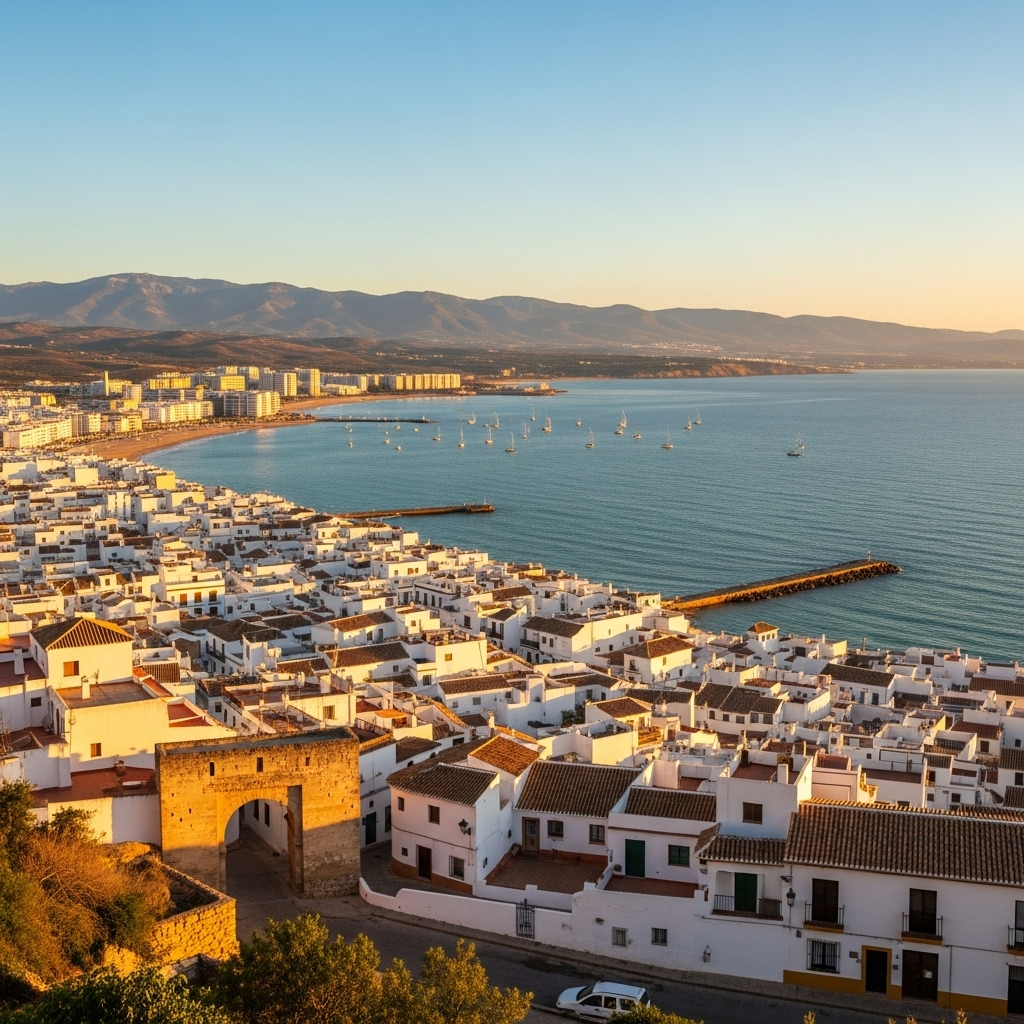
A Perfect Day in Alcalá de Henares: The Ultimate Day Trip from Madrid
Thinking about a day trip from Madrid and wondering, “Is Alcalá de Henares worth visiting?” The answer is a resounding yes! Forget the crowds of Toledo and Segovia for a day and discover Madrid’s best-kept secret. Just a short train ride away lies a city where history breathes on every corner—a city that gave the world Don Quixote, pioneered university life, and is now a protected UNESCO World Heritage site. Prepare to be charmed by its grand plazas, arcaded streets, and the clatter of stork beaks from ancient rooftops. This is your ultimate guide to a perfect, easy, and unforgettable escape from the capital.
Quick Facts: Your Alcalá de Henares Day Trip at a Glance
For the planners who want the key details fast, here’s everything you need to know in a nutshell.
| Feature | Detail |
|---|---|
| Distance from Madrid | ~35 km (22 miles) |
| Travel Time | 35-45 minutes by train |
| Average Round-Trip Cost | ~€7-€10 per person |
| Best Time to Visit | Spring (April-June) & Autumn (Sept-Oct) |
| Known For | Cervantes, UNESCO University, Storks |
How to Get from Madrid to Alcalá de Henares
One of the best parts about a day trip to Alcalá is how incredibly simple it is to get there. The journey is quick, affordable, and lets you swap city bustle for historic charm in under an hour. Here are your best options:
By Train (Highly Recommended)
This is, without a doubt, the easiest and most popular way to travel. The Cercanías commuter train system is efficient and reliable. You can catch the lines C-2, C-7, or C-8 from major Madrid stations like Atocha, Chamartín, or Recoletos. Trains run every 10-20 minutes, so you never have to wait long. The journey is a scenic and relaxing 35-45 minutes, dropping you off at the Alcalá de Henares station, a short 10-minute walk from the historic center.
By Bus
If you prefer the bus, ALSA runs frequent interurban services from Madrid’s Avenida de América station. The trip takes around 40-50 minutes, but be aware that it can be longer depending on traffic conditions. It’s a comfortable and cost-effective alternative to the train.
By Car
Driving is also an option via the A-2 highway, taking about 30-45 minutes without traffic. However, we’d advise against it. Navigating and parking within the historic center is extremely difficult. If you do drive, it’s best to use one of the underground parking garages on the edge of the old town, like Aparcamiento San Lucas or La Paloma, which cost approximately €1.50-€2.50 per hour.
Transportation Comparison
| Method | Duration | Approx. Cost (Round Trip) | Convenience |
|---|---|---|---|
| Train | ~40 mins | €6.80 | ★★★★★ |
| Bus | ~45 mins | €7.20 | ★★★★☆ |
| Car | ~35 mins (no traffic) | €5 (fuel) + Parking | ★★★☆☆ |
Top 5 Unforgettable Things to Do in Alcalá de Henares
The heart of Alcalá is its magnificent historic center, a place made for wandering. Your exploration should begin at the bustling Plaza de Cervantes, the city’s main square. Dominated by a statue of its most famous son, this is the perfect starting point to soak in the atmosphere before diving into these unmissable attractions.
-
Explore the Historic University of Alcalá
This isn’t just a university; it’s a masterpiece. Founded in 1499, it’s recognized by UNESCO as the world’s first planned university city. The star of the show is the jaw-dropping Plateresque façade, an intricate work of art in stone. A guided tour is essential to see the true gems inside, including the stunning Paraninfo auditorium—where the prestigious Cervantes Prize for literature is awarded by the King of Spain—and the beautiful Trilingual Courtyard.

Historic university with a magnificent 16th-century Plateresque façade. — Photo via Wikimedia Commons - Price: ~€6 for a guided tour.
- Hours: Tours run at set times; check the official university website before your visit.
-
Walk in Cervantes’ Footsteps at His Birthplace Museum
Step back into the 16th century at the Casa Natal de Cervantes. This charming museum is a faithful recreation of a traditional home from the era, built on the very site where Miguel de Cervantes was born in 1547. You can wander through rooms filled with period furniture and exhibits that bring the writer’s world to life. It’s a fascinating glimpse into the past, and best of all, it’s completely free to enter!
-
Stroll Down the Arcaded Calle Mayor
Get your camera ready for one of the most picturesque streets in Spain. Calle Mayor is the city’s historic main artery and one of the longest medieval porticoed streets in the country. The covered arcades, supported by ancient stone and wooden pillars, once housed the bustling shops of the old Jewish quarter. Today, it’s a lively street filled with cafes, tapas bars, and shops—perfect for a leisurely stroll, people-watching, and capturing that perfect photo.
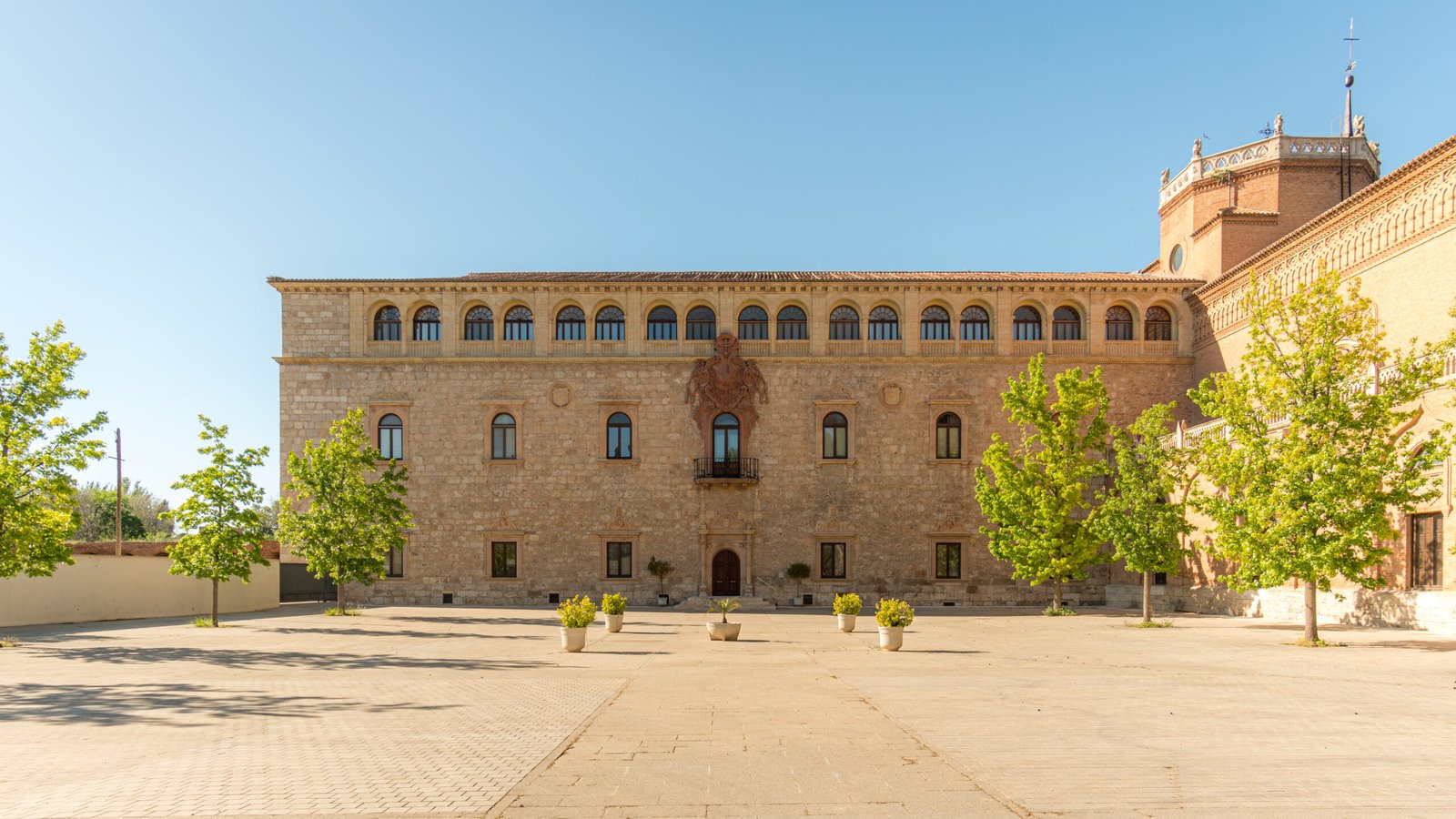
Historic palace fortress, famous for its archives and resident stork population. — Photo via Wikimedia Commons -
Discover the Corral de Comedias
A true hidden gem, the Corral de Comedias is one of the oldest preserved theaters in Europe. From the outside, it’s an unassuming building, but inside lies a treasure trove of history. Built in 1601 as an open-air playhouse, it has since been transformed into a romantic Italian-style theater and even a cinema. A guided tour reveals its incredible story and architectural layers. It’s a must-see for anyone interested in theater or history.
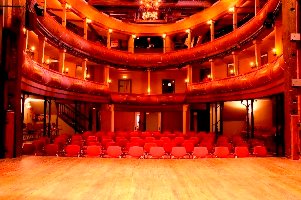
One of the oldest surviving public playhouses in Europe, built in 1601. — Photo via Wikimedia Commons - Price: ~€4 for a guided tour.
- Hours: Tour times vary, so check the schedule online.
-
Uncover Roman History at Complutum
Before Alcalá was Alcalá, it was the thriving Roman city of Complutum. A short walk or bus ride from the historic center takes you to this impressive archaeological site where you can explore the remains of Roman villas, mosaics, and public buildings. It’s a fascinating contrast to the Renaissance city center and a reminder of just how deep Alcalá’s roots go. Don’t miss the nearby House of Hippolytus, a beautifully preserved Roman school for the youth of the elite.
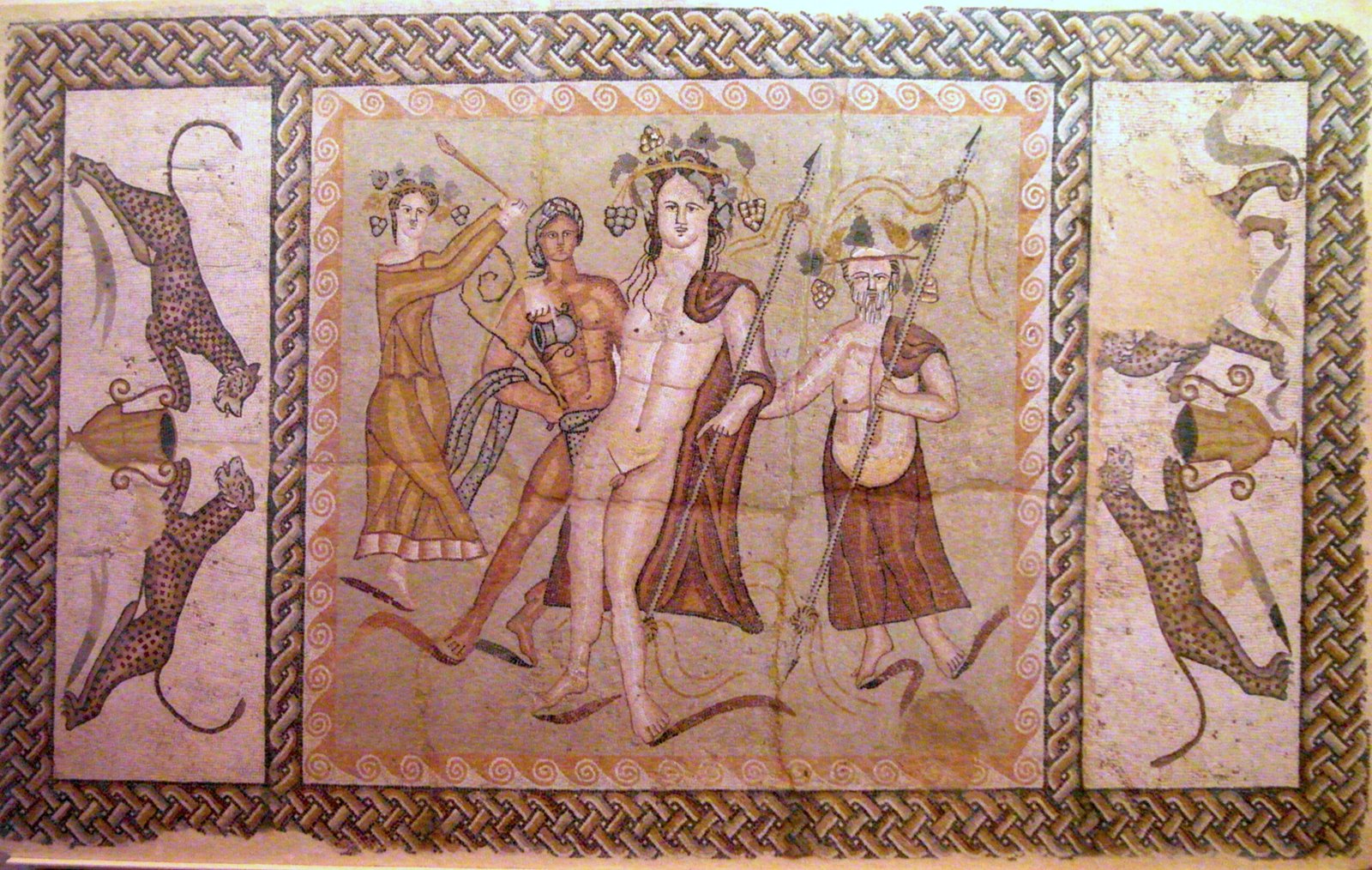
The extensive archaeological site of the original Roman city of Alcalá. — Photo via Wikimedia Commons
A Perfect One-Day Itinerary for Alcalá de Henares
Want to make the most of your time? Here’s a relaxed, step-by-step itinerary to guide you through a fantastic day in Alcalá.
| Time | Activity | Notes |
|---|---|---|
| 9:30 AM | Arrive from Madrid | Arrive at Alcalá’s train station and walk 10 mins to the center. |
| 10:00 AM | Plaza de Cervantes | Start here to get your bearings. Grab a coffee at a cafe and enjoy the view. |
| 11:00 AM | University of Alcalá Tour | Take the guided tour to see the magnificent interior. Book in advance if possible in 2026. |
| 1:00 PM | Cervantes Birthplace Museum | Explore the free museum on Calle Mayor. |
| 2:00 PM | Lunch & Tapas | Head to a restaurant on Calle Mayor or a nearby side street for a traditional lunch. |
| 4:00 PM | Magistral Cathedral | Visit the impressive cathedral and consider climbing the tower for panoramic views of the city. |
| 5:30 PM | Explore & Shop | Wander the historic streets, look for storks, and browse local shops for souvenirs. |
| 7:00 PM | Return to Madrid | Head back to the train station for the easy journey back to the capital. |
Where to Eat: From Traditional Tapas to Castilian Feasts
Alcalá has a fantastic food scene, famous for its generous tapas culture and hearty Castilian cuisine. Whether you’re on a budget or looking to splurge, you’ll eat well here.
Budget-Friendly Bites (€)
Alcalá is a university town, which means great, affordable food is easy to find. The city is famous for its tapas culture, where ordering a drink often gets you a substantial free plate of food. Head to places like Indalo Tapas or Bar La Cueva de Antolín to experience this tradition at its best.
Mid-Range Meals (€€)
For a proper sit-down lunch, try a classic menú del día (menu of the day). Restaurants like Restaurante Nino or La Cátedra (inside Hotel El Bedel) offer wonderful traditional dishes, including local specialties like roast lamb (cordero asado).
A Historic Splurge (€€€)
For a truly memorable meal, book a table at Hostería del Estudiante. Located within the magnificent Parador de Alcalá, this restaurant serves high-end Castilian cuisine in an unforgettable historic setting. It’s the perfect choice for a special occasion.
Must-Try Local Delicacy
You cannot leave Alcalá without trying its signature dessert: the Costrada de Alcalá. This heavenly pastry is made with layers of puff pastry, meringue, and cream, all dusted with powdered sugar. It’s a sweet, flaky delight you’ll dream about long after you’ve left.
Planning Your Visit: Tips, Packing & Budget
A little preparation goes a long way. Here are some insider tips and practical details to ensure your day trip is flawless.
Insider Tips for a Flawless Visit
- Look Up! Alcalá is famous for its large stork population. You’ll see their huge nests perched atop almost every historic building, especially the Archbishop’s Palace. Their clattering beaks are the city’s unique soundtrack.
- Embrace Tapa Culture: Seriously, it’s a way of life here. Order a caña (small beer) or a glass of wine, and wait for the delicious, free tapa that comes with it. Two or three drinks can easily make a light lunch.
- Wear Comfortable Shoes: The historic center is largely flat but paved with charming (and uneven) cobblestones. Your feet will thank you for choosing comfort over style.
- Check Opening Times: Remember that many attractions and smaller shops close on Mondays and often observe a midday siesta (roughly 2 PM to 4 PM). Always double-check hours online before you go.
- Visit During Cervantes Week: If your trip to Madrid is in early October, you’re in for a treat. The city’s Semana Cervantina (around October 9th) is a Festival of National Tourist Interest. The entire old town transforms into the Mercado Cervantino, one of Europe’s largest and most spectacular medieval markets.
What to Pack for Your Day Trip
- Comfortable walking shoes
- Camera and/or smartphone to capture the beautiful architecture
- Portable power bank for your devices
- A reusable water bottle to stay hydrated
- Sunscreen and a hat (essential in spring and summer)
- A light jacket or sweater (in autumn and winter)
- A small amount of cash for small purchases, though credit cards are widely accepted
Estimated Budget Breakdown (Per Person)
Alcalá de Henares is an incredibly affordable day trip. Here’s a rough idea of what you can expect to spend.
| Expense | Budget | Mid-Range |
|---|---|---|
| Transportation | €7 | €7 |
| Food & Drink | €15 | €35 |
| Attractions | €10 | €10 |
| Total | ~€32 | ~€52 |
Frequently Asked Questions (FAQ)
Is Alcalá de Henares worth visiting?
Absolutely. It is one of the most rewarding and easy day trips from Madrid. As a UNESCO World Heritage site, the birthplace of Cervantes, and home to a stunning historic university, it offers a deep dive into Spanish history and culture without the overwhelming crowds of other nearby cities.
What is the most beautiful town near Madrid?
While “most beautiful” is subjective, Alcalá de Henares is a top contender for anyone who loves history, literature, and magnificent Renaissance architecture. While Toledo has its dramatic hillside setting and Segovia has its Roman aqueduct, Alcalá offers a unique intellectual and literary charm that is completely its own.
What are the most scenic day trips from Madrid?
Alcalá de Henares is a fantastic choice for its architectural scenery. Other popular scenic and historic day trips include:
- Segovia: Famous for its gigantic Roman aqueduct and fairytale castle.
- Toledo: A fortified medieval city of three cultures, perched dramatically on a hill.
- El Escorial: Home to the imposing and monumental royal monastery.
How far is Madrid from Alcalá?
Alcalá de Henares is about 35 kilometers (22 miles) northeast of Madrid. By the efficient Cercanías train, the journey is incredibly quick, taking only 35 to 45 minutes from city center to city center.
TL;DR: Your Perfect Alcalá Day Trip
In a hurry? Here’s the short version. Take a 40-minute Cercanías train (C-2, C-7, or C-8) from Atocha. Once there, explore the UNESCO University, see where Cervantes was born at the Casa Natal Museum (it’s free!), and stroll down the beautiful arcaded Calle Mayor. Enjoy cheap and generous tapas for lunch, look up for the famous stork nests, and soak in the history. It’s a cheap, easy, and culturally rich day out. Enjoy your trip in 2026!